The late, great comedian Sam Kinison once said that instead of sending food to starving nations, we should send U-Hauls because, he would scream, “there wouldn’t be world hunger if you people would live where the food is! You live in a desert, understand that?! Nothing grows out of here!”
It’s a classic bit, but also wrong. Famines these days are always and everywhere man-made – the result of misguided government policies.
So, too, is California’s constant moaning about shortages of gasoline, water, and electricity.
At the Pacific Research Institute’s Annual Spring Retreat held at the Ronald Reagan Presidential Library, Wall Street Journal editorial writer Allysia Finley had a perfect descriptor for this — a “scarcity mindset.”
“It really does restrict all kinds of resources,” she said. “We could have much more water than we do. We could have much more power. We could have much more of a lot of things.”
Let’s take them one at a time.
Oil. Gov. Gavin Newsom wants Californians to believe that the war with Iran is the reason for the state’s looming gasoline crisis. But the state would be flush with gasoline absent bad policy choices that decimated in-state oil production and turned California into a fuel island with boutique gasoline requirements.
California is floating on a sea of crude says the U.S. Energy Information Administration. Yet, according to the American Energy Institute, California now produces only 2% of the nation’s oil down from 40%. The state is heavily dependent on imported oil –- with 61% coming from other nations. Just four decades ago, nearly two-thirds of oil refined in California was produced in-state.
Compounding the problem has been the state’s war on refineries, which has caused the number to dwindle from more than 40 in the 1980s to eight.
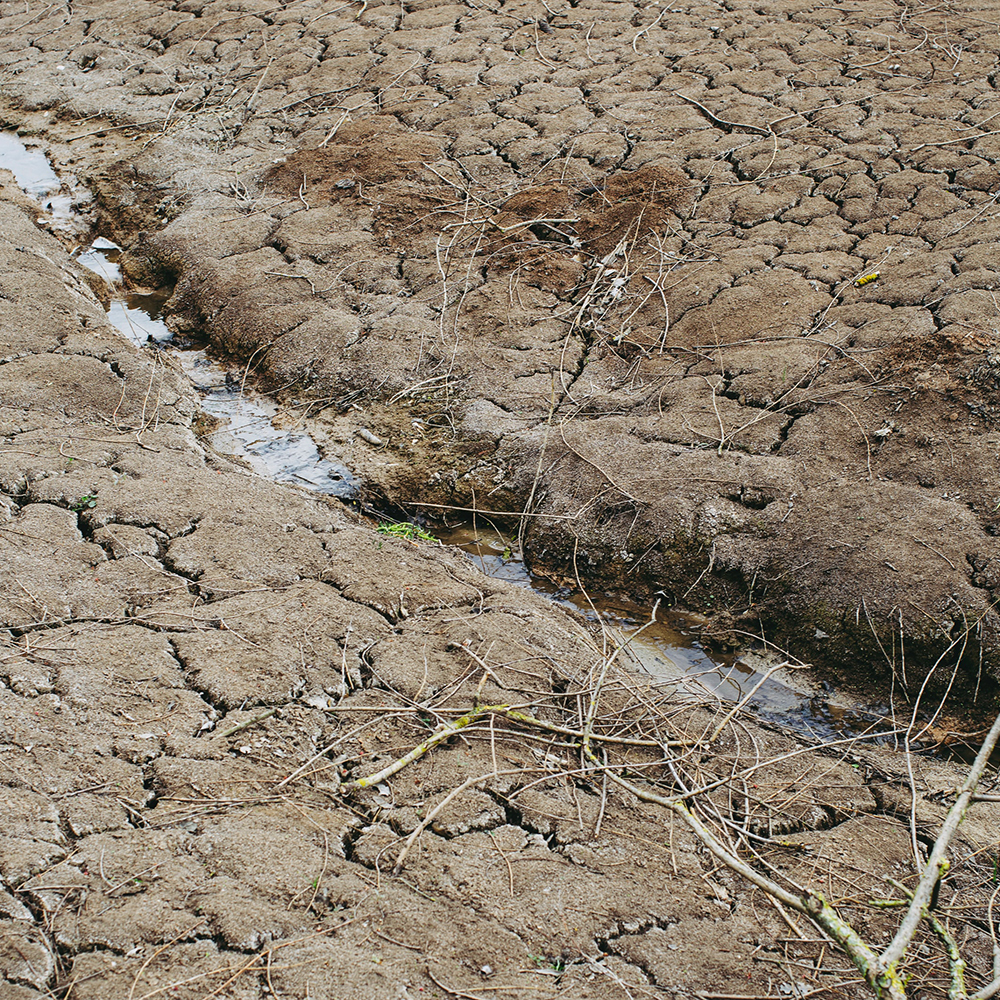
Water. Policymakers and bureaucrats preach conservation, impose water-use restrictions and would prefer to blow up dams than build them. The result: Some of the highest water prices in the country and man-made droughts that are worse than natural disasters.
California has not built a major water storage facility in nearly four decades and much of the rain that does fall is dumped into the ocean.
Rather than sharply focus on increasing supply, elected officials and the bureaucracy thwart progress. Projects that could ease the tight supplies are rejected.
For instance, the Poseidon desalination project desalination plant in Huntington Beach, which would have provided 50 million gallons daily to Orange County residents, was unanimously rejected by the California Coastal Commission.
Cadiz Inc. has wanted to draw groundwater from its Mojave Desert property in San Bernardino County since the 1980s. Roughly 400,000 customers would benefit from the additional water. But the project has been stalled by officials.
Meanwhile, voter-approved Sites Reservoir on the west side of the Sacramento Valley, designed to store as much as 1.5 million acre-feet of waterhas been mired in government bureaucracy and delays since the state water bond passed in 2014.
Electricity: Californians might feel like the state has resolved its electricity problems since the rolling power outages of 2020, adding 31,000 megawatts of generating capacity. But the fact that the state has the second-highest electricity prices in the nation is a sign of scarcity, not abundance.
And that’s about to get much worse. Since roughly 2008, the state’s electricity demand has remained relatively stable, but the California Energy Commission predicts annual growth of as much as 2.3% a year over the next decade, driven by the push for EVs, the state’s war on natural gas, and AI data center growth.
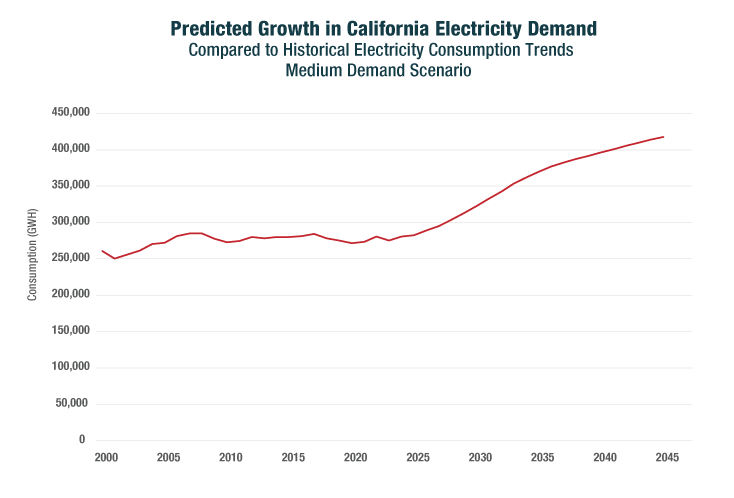
Renewable energy generation “will need to increase by 180 gigawatts (GW) by 2045” to meet state clean energy goals, according to the California Council on Science and Technology.
Looming shortages prompted lawmakers to extend the permit on the state’s one remaining nuclear facility – Diablo Canyon Power Plant— which provides roughly 7% of California’s electricity – until 2030, and further extensions could be on the table.
California’s scarcity mindset doesn’t serve the state’s residents, but it does serve its politicians, who are empowered by the shortages their own policies help create to increase their control over the state.
As a result, millions have taken Sam Kinison’s advice, rented U-Hauls, and moved out of California’s self-imposed desert to places where gasoline, water, and electricity are in abundance.