Analysts from the legislature and the governor’s office just presented renewed economic and revenue forecasts to Colorado’s Joint Budget Committee (JBC).
Now that the 2025-26 and 2026-27 fiscal year budgets are in a surplus, will the Democrat-dominated legislature pause its attempts to increase taxes? Don’t count on it.
June Forecast
As required by Colorado’s constitution, lawmakers passed a balanced budget for fiscal year 2026-27, though not without controversy.
The JBC lowered the statutory reserve from 15 to 13 percent, raided some of the Unclaimed Property Trust Fund, recouped TABOR refunds, and made transfers between cash funds and the General Fund to balance the budget.
However, during the presentation to the JBC, legislative analysts also explained how economic and revenue forecasts improved significantly since the last estimates.
While the March 2026 forecast projected $806.6 million less to spend relative to 2025-26, fiscal year 2026-27 now has a $148 million surplus, due to balancing measures enacted by the legislature during the regular session and better-than-expected revenue collections.
Additionally, against all odds (read with sarcasm), the Healthy School Meals for All (free lunch) program continues to exceed revenue expectations.
While current forecasts still show a $315 million shortfall for 2027-28 (if the state returns to the 15 percent reserve requirement), legislators should be more confident in their ability to balance that budget as they were able to balance the supposedly catastrophic $1-billion-plus budget shortfalls in the last two years with relative ease.
Doubling Down
Yet, even after the budget grew by almost 7 percent and the economic and revenue forecasts show significant improvement, voters can count on lawmakers to say that it still isn’t enough.
Ignore the explosion of special interest tax credits during Polis’ tenure that allowed the state to hand out favors behavior by intentionally lowering revenue.
No, instead the legislature wants to increase taxes via Proposition NN (Senate Bill 135’s referred measure) and a graduated income tax measure, and keep tax credits for things like film festivalsand subsidizing electric vehicles for rich people.
The problem for the progressive legislators is that their preferred scenario will take finesse, and some deception, to realize, or else Coloradans will see right through it. Here it is:
1: Increase the TABOR limit by billions of dollars (Proposition NN) to allow for more spending.
2: Eliminate business tax breaks and impose increased taxes on the wealthy to increase revenue and punish “big business.”
3: Continue to expand special interest tax breaks that help win elections and narrow the tax base.
4: If revenue starts bumping up against the new TABOR cap or if wealthy people leave, scream poverty.
5: Repeat.
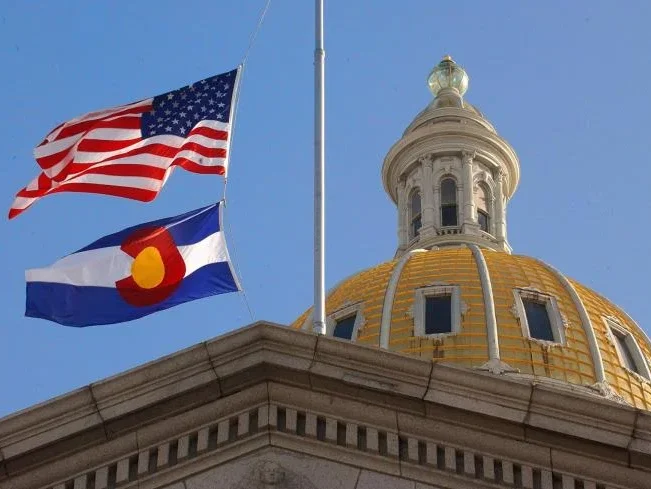
Fear is a strong motivator, and Colorado’s gold dome central planners count on it.
They promise temporary refuge from scary “budget shortfalls,” but if only you hand over more of your hard-earned money.