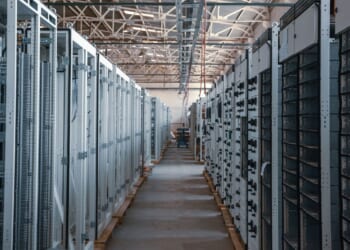
Artificial intelligence is not floating in the clouds. It runs on land, energy, fiber, water systems, skilled workers, and data centers.
That means Kansas has a choice. It can become a place where the next generation of digital infrastructure is built, or it can regulate, zone, and subsidize its way into mediocrity while investment goes elsewhere.
The opportunity is real. AI, cloud computing, cybersecurity, logistics, digital payments, telehealth, and advanced manufacturing all depend on data centers. Data centers are the physical backbone of a modern economy. When permitting delays, energy shortages, or regulatory bottlenecks constrain infrastructure, only the largest firms can absorb the costs. That tends to reduce competition and slow innovation.
Kansas should not make that mistake.
The state has abundant land, central geography, transportation access, and communities that need new investment. Western Kansas in particular has been discussed as a potential hub for development because of its land base and energy resources, even as rural communities face population challenges. Local leaders should understand the obvious: growth does not happen because officials announce it. Growth happens when private investors believe they can build, operate, and earn returns under predictable rules.
Kansas has already stepped into this debate. SB 98 created a sales tax exemption for qualified data centers that commit to at least $250 million in investment and meet job requirements. I understand the intent. States are competing for capital, and Kansas does not want to be left behind.
But Kansas should be careful. The best economic development strategy is not carveouts that just pick winners and losers (badly). It is a broad, low-tax, light-regulation environment where every firm can compete domestically and abroad without begging for special treatment. Tax breaks may attract headlines, but they also create resentment if local families think large users get favors while everyone else pays the bills.
Concerns over water and electricity scarcity from data centers are understandable. But those concerns should be based on facts rather than flawed assumptions and predictions in questionable models. New industry in an area offers opportunities for innovation. A large dairy facility in Garden City utilizes water recycling and extraction (from the powder milk drying process) to help minimize overall usage. Data center usage would not be exactly the same, but this example does offer some reason to be optimistic that properly functioning (water) markets and prices can foster innovation amidst resource scarcity.
The better path is clear: neutral rules, fast permitting, property-rights protection, transparent utility pricing, and no special burdens on one industry. Data centers will pay for the electricity, water, roads, and grid costs they impose through the marketplace. But they should not face punitive government rules just because they are politically (un)fashionable targets.
The zoning fight is already spreading. Nearby jurisdictions are debating whether data centers need special approvals, waiting periods, or local restrictions. Kansas should avoid the temptation to turn every large-load project into a political food fight. Reasonable land-use rules are one thing. Moratoria, uncertainty, and industry-specific hostility are another.
AI regulation creates the same risk. States across the country are tempted to write broad AI rules before they understand the technology. Kansas should reject that model. As I have argued in my work on innovation over intervention, America wins when markets are allowed to experiment, invest, and scale under predictable rules. Kansas should punish fraud, protect privacy and property rights, and enforce contracts. It should not build a state AI bureaucracy that freezes innovation before it reaches families and businesses.
The energy question also matters. Data centers require electricity. So do manufacturers, hospitals, homes, farms, and schools. Rising demand is not a crisis. It is a signal of growth. The answer is more supply, faster infrastructure, better pricing, and more competition, not rationing by regulation.
Kansas should encourage private power arrangements, faster interconnection, new generation, and market-based contracts. It should not force one industry to prepay for every imagined future cost while other large users are treated normally.
This is an Econ 101 issue. If Kansas raises the cost of building, less will be built. If Kansas delays permits, capital will move. If Kansas uses zoning to block productive investment, families lose jobs and communities lose opportunity.
The state should welcome AI growth without corporate welfare and without regulatory panic. Let data centers build. Let energy supply expand. Let local communities benefit from construction jobs, tax base growth, and long-term investment.
Kansas should not fear the future. It should make itself easier to build in than the states that do.