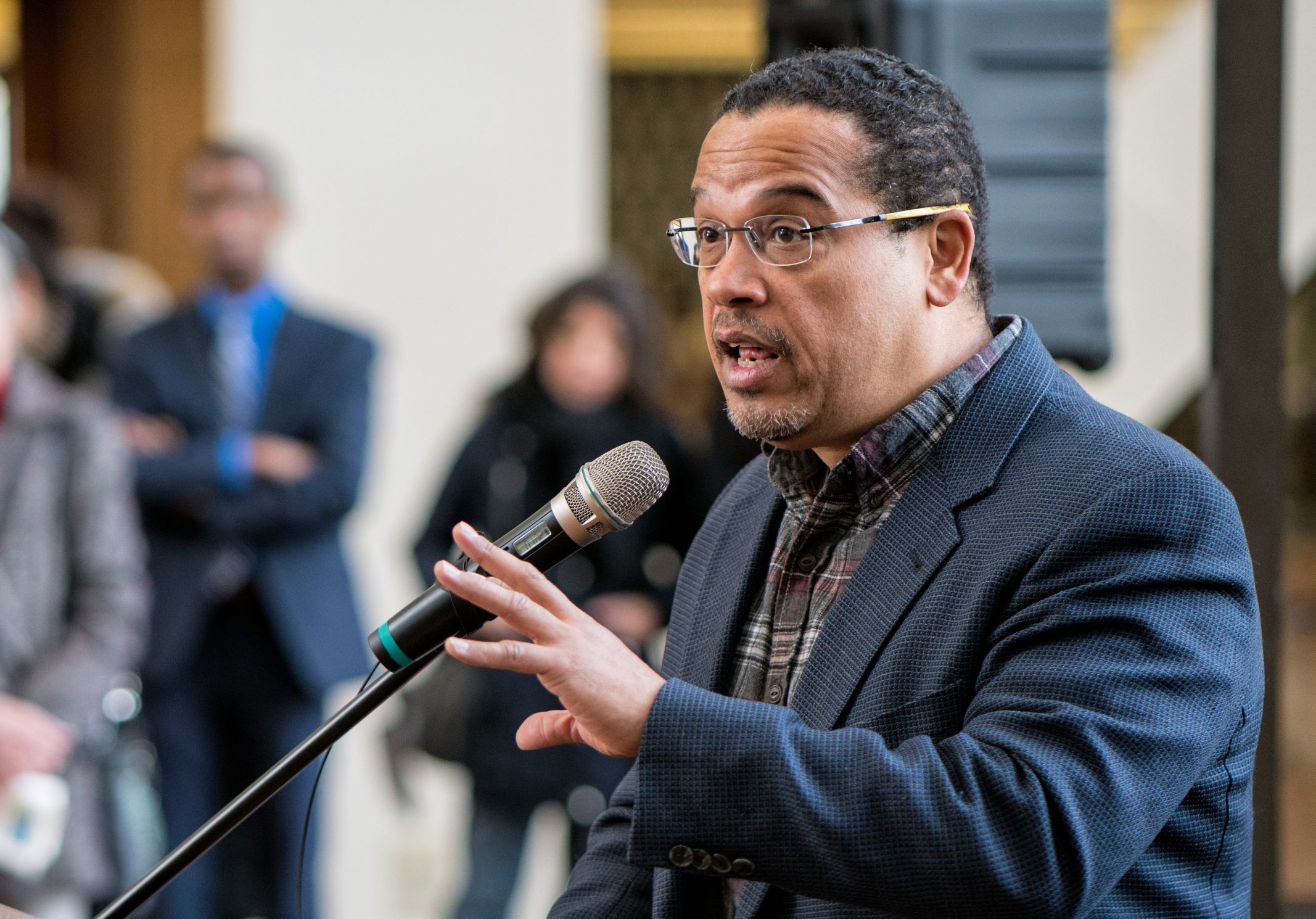
Photo: Lorie Shaull via Flickr (CC BY 2.0) (https://flic.kr/p/21UQ3ke)
The rampant fraud that has plagued Minnesota under Gov. Walz, Lt. Gen. Flanagan, and Attorney General Ellison is a major issue in the state. Ellison, in particular, has been keen to defend his record on the issue, as in this statement from January:
But a recent investigation from KSTP casts yet more doubt on Ellison’s performance as a fraud fighter.
Kirsten Swanson & Morgan Reddekopp report:
In news conferences, legislative hearings and testimony to Congress, Minnesota Attorney General Keith Ellison has said his office has won more than 300 convictions against Medicaid fraudsters since he took office six years ago.
The AG’s office is responsible for prosecuting those cases in Minnesota, using a small team of attorneys and investigators in the Medicaid Fraud Control Unit or MFCU.
But a 5 INVESTIGATES analysis of those cases found that only a portion of those charged with felony-level fraud ended up with a felony on their record.
Using state court records, 5 INVESTIGATES identified more than 250 Medicaid fraud cases where the defendant pleaded guilty. Plea agreement and sentencing documents revealed nearly 80% of the offenders received sentences that would reduce or dismiss the felony conviction after probation.
This is incredible.
Swanson and Reddekopp explain:
The reduced or dismissed convictions are the result of two sentencing options available to state court judges in Minnesota: a stay of imposition and a stay of adjudication.
When sentenced to a stay of imposition, the judge will accept a guilty plea from the defendant and will put that defendant on probation, explained Amy Sweasy, University of Minnesota Law School professor.
“If the defendant successfully completes all of those conditions and terms… that final felony sentence will not actually be imposed,” she said, resulting in either a gross misdemeanor or misdemeanor on the defendant’s record.
A stay of adjudication works the same way, but the court doesn’t ultimately accept the guilty plea and therefore, no criminal conviction appears on the defendant’s record after probation.
“It’s as if there had been no criminal prosecution at all,” Sweasy said.
This, again, beggars belief.
In contrast to the bombast of his January statement, when confronted by KSTP, Ellison now says it is nothing to do with him:
While stays are often part of plea deals offered by his office, Ellison said the case outcome is “not something that the Attorney General would ultimately decide.”
“These things are decided by court discretion in sentencing,” he said during the interview earlier this month. “They’re determined by Minnesota statutes, which are set by the state legislature. They’re set up by sentencing guidelines.”
But while that is the case with a stay of imposition, it is not the case with a stay of adjudiction, which typically does require the consent of the prosecuting authority. These account for one third of the stays investigated by KSTP.
Ellison’s supportive relations with fraudsters are a matter of public record. This latest data further undermine his claims to be a fraud fighter.