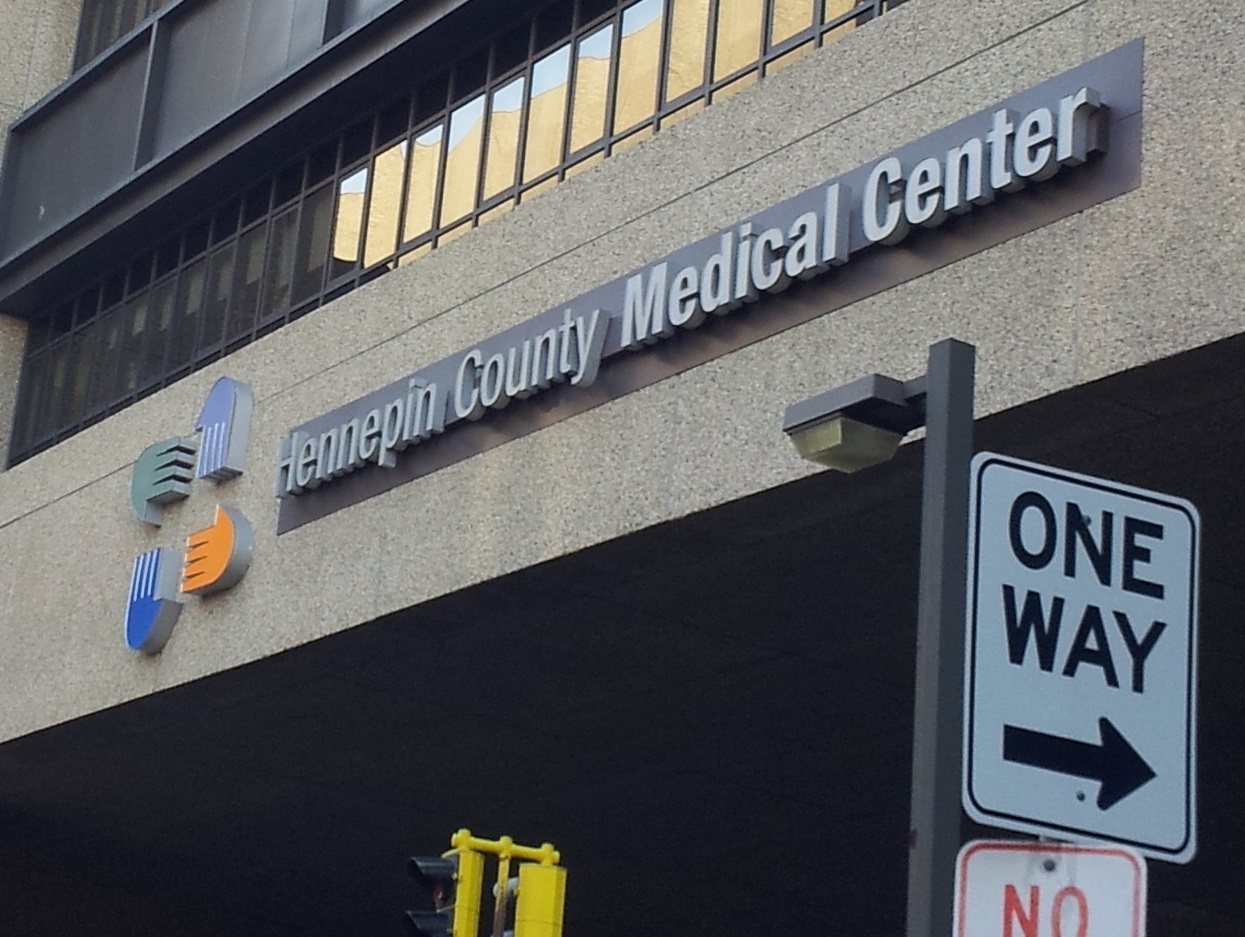
Hennepin County Medical Center (HCMC), Minnesota’s premier safety-net hospital and Level I trauma center, stands particularly exposed to the risks of the state’s heavy dependence on volatile supplemental funding. Rather than relying on stable general fund support, Minnesota supplants general fund dollars with health care provider taxes (“sick taxes”) and intergovernmental transfers (IGTs) that draw down federal Medicaid matching funds. When the state pays its share of Medicaid with additional taxes and shifts, to obtain more federal money, many critics call it medical money laundering.
On May 20, 2026, the Centers for Medicare & Medicaid Services (CMS) proposed a rule capping excessive state-directed Medicaid payments and reining in exploding Medicaid costs to better align with Medicare costs. If finalized, the changes would generate an estimated $775 billion in total savings over 10 years. The rule targets practices Minnesota has long used to inflate supplemental payments to providers like Hennepin Healthcare (HCMC), which relies heavily on the state’s “sick tax” and intergovernmental transfers rather than covering the state’s share of Medicaid costs with general fund dollars. In fact, a 2021 bill created a new section of law specifically designed to “juice up” HCMC’s bottom line by shifting more county money to be matched by federal dollars.
HCMC, which derives the majority of its revenue from public programs absorbed $104 million in uncompensated care in 2024 — despite these supplemental streams. With razor-thin margins and minimal cash reserves, any reduction in federal matching funds or directed payments could prove catastrophic. The state bailout money provided in this year’s session-end deal could be quickly consumed by these proposed changes.
Minnesota’s sick tax — codified in Minn. Stat. § 295.52 — imposes a 1.8% tax on the gross revenues of health care providers. The revenue helps fund the Health Care Access Fund as a pass-through tax that raises costs for private payers while fostering dependency on federal leverage rather than sustainable budgeting. In 2011, Governor Mark Dayton (DFL) wisely agreed with GOP legislators to eliminate the sick tax when Minnesota expanded Medicaid under Obamacare.
But once the billions in new federal money began flowing in, the idea of cutting the sick tax was abandoned. Even Republican “fiscal hawks” couldn’t resist keeping the tax in place, and the federal money that was supposed to replace it disappeared into Minnesota’s exploding state budget — now a national punchline.
The bill for this Minnesota spending binge is now coming due, and institutions like HCMC will be unfairly hurt because state leaders relied on risky funding mechanisms that should have been phased out.
Schemes like sick taxes and IGTs are improper. If Minnesota had not spent every penny of its $18 billion surplus and then raised taxes to chase even more federal matching money, the state would not be in this predicament. Explosive growth in social service spending and fraud is straining places like Hennepin County. American Experiment has outlined the need for HCMC to refocus on its core mission of trauma care and medical education rather than spending millions on social programs and climate initiatives.
CMS is right to look out for the taxpayers in all 50 states funding this spending bender in Minnesota.