The governor’s proposal would face challenges.
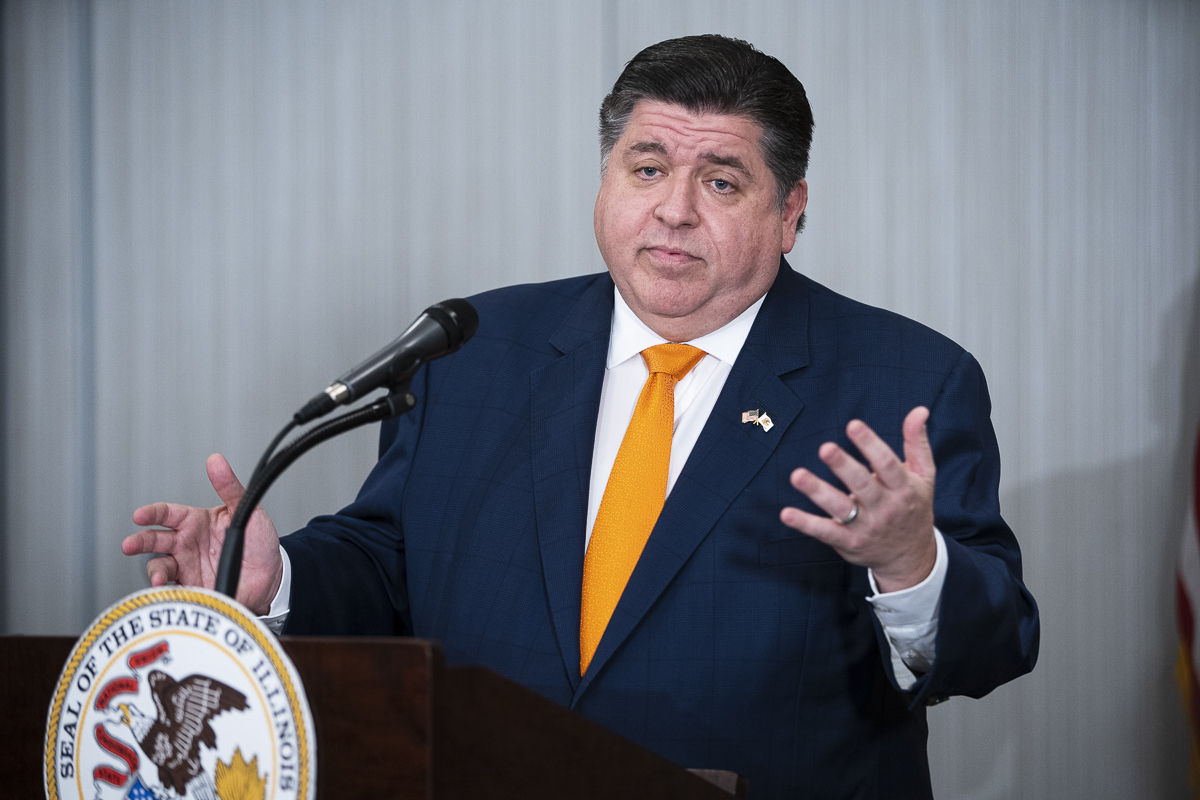
Gov. J.B. Pritzker wants to slap a fee on big tech companies of up to $6 a year on every social media account in Illinois.
Pritzker’s proposal, aimed at raising some $200 million a year, runs up against serious legal and economic realities.
Is it legal?
The federal Permanent Internet Tax Freedom Act prohibits discriminatory taxes on e-commerce. Opponents of the governor’s plan would likely argue it violates that law, as it targets large online platforms without a comparable tax on offline media or communication services.
Illinois would not be the first state to test that boundary. Maryland’s digital advertising tax has been tied up in litigation since 2021. If Illinois enacted the fee and it didn’t hold up in court, the state could potentially have to refund the fees, not to mention the legal bills it would incur.
Chicago’s own social media tax is also barreling toward legal challenges, further underscoring the uncertainty of such policies.
Privacy challenges.
Even if Pritzker’s tax survived initial legal challenges, enforcement would be difficult.
Language in the governor’s proposal is scant, but based on similar proposals elsewhere, a user would likely be presumed to be in Illinois if their home or mailing address is in the state or if they access the social media site or app from an Illinois-based IP address.
Those addresses are not reliable indicators of residency. People visiting Chicago or on airport layovers who use IP addresses could be counted in the tax base. Determining whether a user lives in Illinois would require more data collection and verification, which would be costly for both the state and the company and undermine user privacy.
Who really pays?
Pritzker says companies would be prohibited from passing these fees directly onto users. But governments can’t dictate who bears the cost of a tax. Businesses respond to new taxes by adjusting prices and services.
Social media companies could:
- Put more services behind paywalls
- Require identity verification to verify IP addresses
- Gather and share additional location data for IP address verification
- Raise prices on digital advertising in Illinois
Added costs would ultimately fall on residents and businesses.
A recent court decision affirmed that states cannot prohibit companies from identifying a tax on customer bills or from explaining why prices have increased.
The policy also could raise Commerce Clause concerns if courts conclude that it shifts burdens across state lines, pushes companies to adopt nationwide pricing adjustments, or restricts their freedom to impose different prices in other states.
A costly gamble
Pritzker can’t skirt the fundamental rules of taxation: The individual always pays. He could enact legislation that is ruled illegal, costing the state millions in legal fees and requiring massive refunds that would exacerbate future budget shortfalls.
Illinois does not need more burdensome or legally risky revenue schemes. It needs structural reforms that address the underlying drivers of its fiscal problems.