The following “Island Voices” commentary was first published April 22, 2026, in the Honolulu Star-Advertiser under the headline “Now is no time to retreat on proposed isle tax cuts.”
_____________
Less than two years ago, Hawaii lawmakers unanimously passed historic income tax cuts to help relieve residents from one of the highest tax burdens in the country. Now, they are spending significant time and effort considering ways to undo that progress.
At the beginning of this legislative session, Gov. Josh Green recommended prematurely ending the phase-in of those cuts, which are expected to save local taxpayers nearly $7 billion through 2031. Doing so would effectively be a $1.2 billion tax hike compared to the relief he signed into law.
Senate Bill 3125 is the surviving version of the governor’s proposal to eliminate the rest of the income tax cuts. As the session nears its end, state House and Senate lawmakers are convening a conference committee to hash out their differences.
The current draft of the bill reflects the House’s approach, which would completely abandon the promises made in 2024. Despite early claims from some lawmakers that the remainder of the scheduled tax cuts would be canceled only for high-income earners, the House draft would repeal them for all income levels.
The Senate’s plan is far more reasonable. It would keep the tax cuts in place for most tax brackets, repealing the remaining cuts for only joint filers earning more than $350,000 and single filers earning more than $175,000. Still, that strategy could significantly impact small business owners in addition to families.
The best scenario for Hawaii taxpayers would be if SB 3125 didn’t pass at all and the tax cuts were left to phase in as planned. But if the Legislature has to choose between the House and Senate proposals — which it doesn’t — the Senate version presents a decent compromise that would preserve most of the cuts.
Frankly, instead of repealing any of the tax cuts, lawmakers should look for ways to help Hawaii residents keep more of their hard-earned money.
That is especially important given the compounding pressures families are facing. The recent Kona-low storms caused widespread damage, forcing many residents to shoulder unexpected repair costs. At the same time, geopolitical instability has driven up prices on many everyday products.
Layer on top of that several years of persistent inflation, and it’s clear that local families are being squeezed from every direction.
In moments like this, the worst thing the government could do is collect even more money from already strained households.
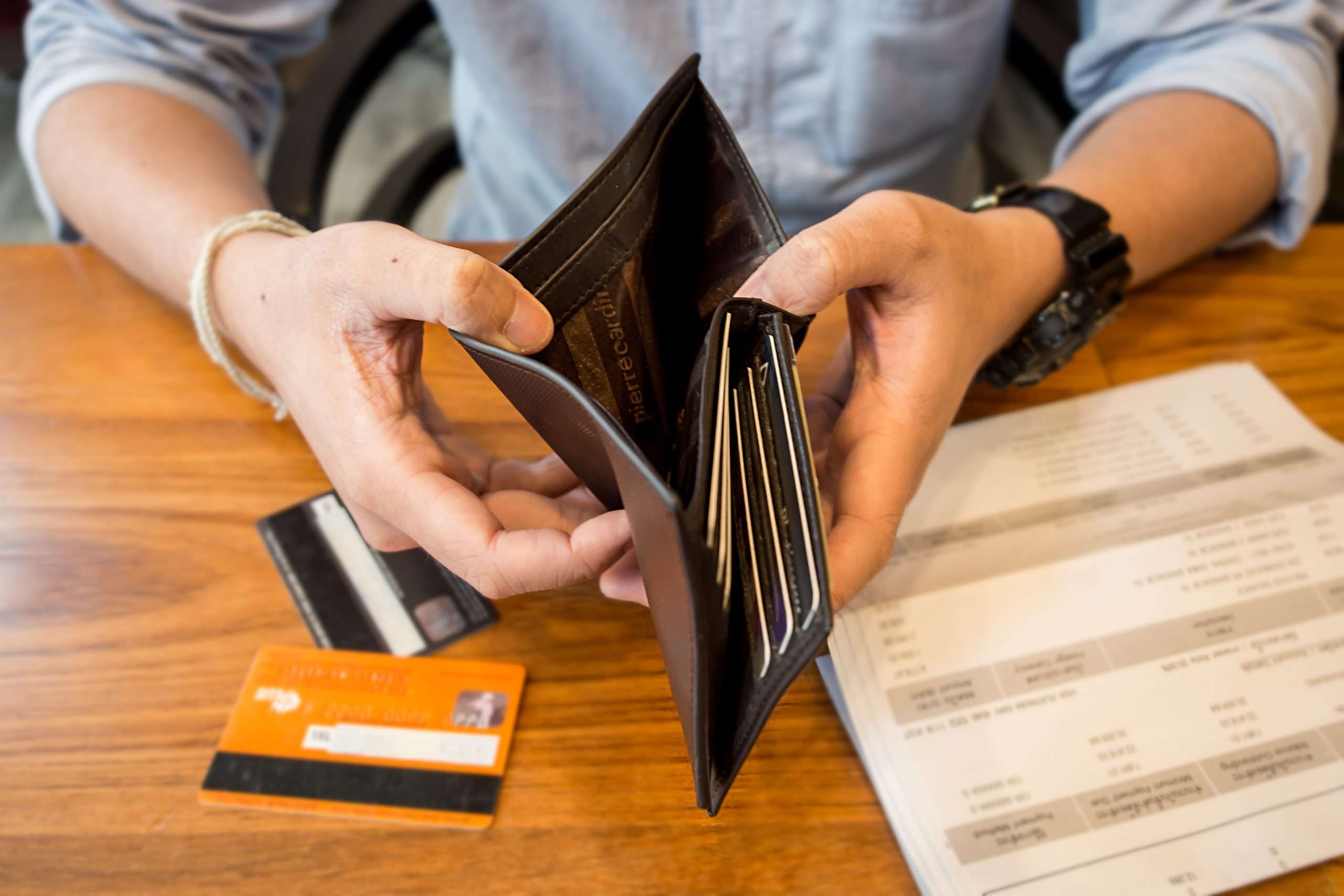
Measured on a per-person basis, Hawaii taxpayers are already estimated to pay about $9,500 a year in state and local taxes — behind only the District of Columbia, New York, California and Connecticut. Combined with high prices for groceries, housing and electricity, Hawaii’s taxes are a big reason residents keep moving away from the islands.
If the state needs money to cover its bills, why not find it through better budgeting instead of tax hikes? That’s what most people do.
When household budgets get tight, people have to make difficult choices, such as cutting back on spending and finding ways to stretch every dollar. The government should be held to that same standard.
And there happens to be plenty of ways lawmakers could account for the alleged current funding crunch while preserving our tax cuts. Ideas include reallocating idle special funds and permanently eliminating thousands of positions that have gone unfilled for years.
The 2024 tax cuts represented a promise to Hawaii residents that the state was getting serious about helping the economy and improving affordability. If legislators want Hawaii to prosper, they should do everything possible to preserve them.