This article first appeared in the March 24, 2026 issue of The Missoulian.
I appear regularly on Montana radio to answer audience questions about the federal and state constitutions. During an appearance in early January, several callers discussed an event that happened over 25 years ago—but which many Montanans still remember vividly. The event and the ensuing fallout illustrate the problems with the current Montana constitution.
This further explains why Montanans should authorize a state constitutional convention when they vote on the issue in 2030.
It was the summer of 2000, and the Hell’s Angels Motorcycle Club was coming to town. Missoula city officials were deeply concerned. What if their visitors proved disruptive? To head off trouble, city officials hired additional police from out of state.
This decision had unanticipated consequences. Loud and violent altercations exploded—not because of the Hell’s Angels, but between local citizens and the out-of-state cops.
Article II, Section 33 of the Montana constitution—the last provision in the original state bill of rights—is designed to prevent such problems. It reads as follows:
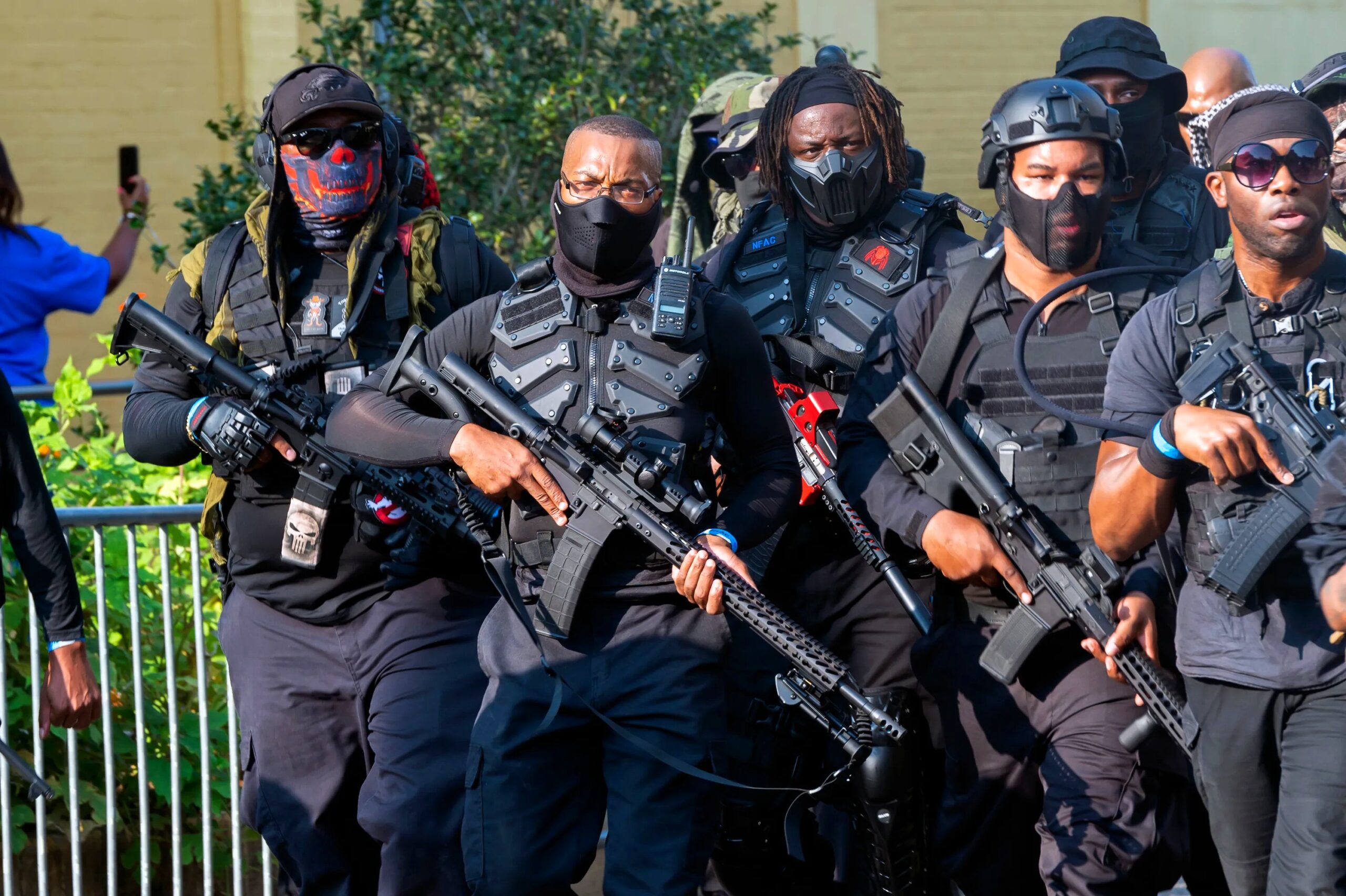
“Importation of armed persons. No armed person or persons or armed body of men shall be brought into this state for the preservation of the peace, or the suppression of domestic violence, except upon the application of the legislature, or of the governor when the legislature cannot be convened.”
But Section 33 doesn’t specify whom it applies to, so city officials misread it. They thought it banned only private companies from bringing in strikebreakers or extra security forces. The Montana legislature also misread the section when it passed a law allowing local governments to hire out-of-state police with the approval of the attorney general instead of the legislature.
To get at the truth—that Section 33 covers governmental entities—you have to do some serious investigation. You have to study the text, apply certain rules of documentary interpretation, and examine the history of similar provisions in the 1889 constitution and in the constitutions of other states.
But the uncertainties in Section 33 don’t end there. Although it certainly covers governmental importations, it remains unclear whether it covers private ones as well. After the Missoula tumult, I wrote a Montana Law Review article explaining that you can argue the question either way. If you think Section 33 bans private as well as governmental importations, you can point out that:
* Section 33 uses the passive voice (“shall be brought”), which suggests that all possible actors are included.
* Two other rights in the Montana constitution (“individual dignity” and the Article IX environmental right) also apply to private persons;
* Historically, there was popular revulsion against companies hiring out-of-state thugs as guards or strikebreakers.
* Comments in Montana’s two constitutional conventions and the constitutional conventions of states with similar provisions support the conclusion that Section 33 covers private importations.
But I showed that you also can argue that Section 33 does not cover private parties:
* Some other comments in the constitutional conventions of Montana and other states support this position.
* Guarantees in bills of rights, even when written in the passive voice, usually apply only to governments.
* Private companies imported security guards and used out-of-state security companies for many years without anyone claiming their conduct was unconstitutional.
* Prohibiting private use of peacekeepers would conflict with certain other rights in the Montana constitution, such as the right to property.
Because of the Montana Supreme Court’s restrictions on the amendment process, only a new state constitutional convention can propose language clear up uncertainties such those in Section 33.