Shoppers turn to AI tools for Black Friday as fake stores and buying errors pose risks
Many holiday shoppers plan to use AI this Thanksgiving weekend, while research shows bots can be steered to copycat stores and often misjudge what buyers need.
The full story
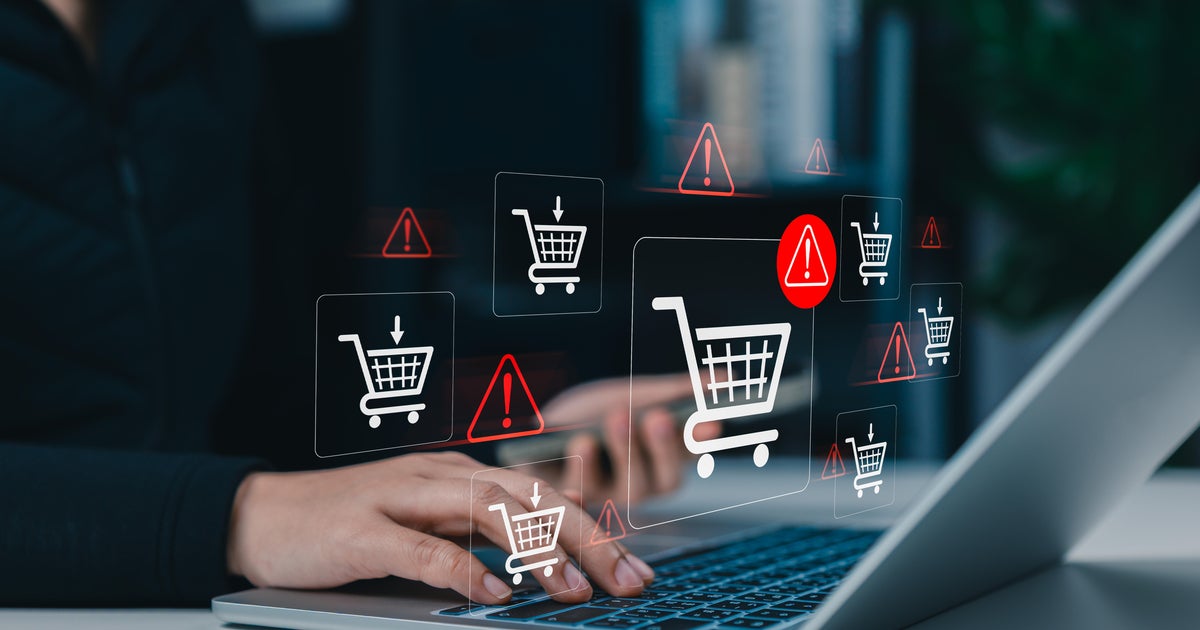
Here is the full story. Artificial intelligence is playing a larger part in Black Friday shopping this year, but the tools many people are relying on can be fooled by fake stores, misread what buyers want and raise privacy concerns. Some 59% of holiday shoppers plan to use AI to help with their shopping over Thanksgiving weekend, according to a National Retail Federation survey released last week. Amazon, Google, Meta and OpenAI have been releasing increasingly capable tools that search for discounts, watch for price drops, fill shopping carts and in some cases buy items for users.
One risk comes from scammers who use AI to copy real online stores. Harrison Tang, co-founder of the data aggregator Spokeo, said AI lets fraudsters build convincing duplicates of legitimate stores in only hours, complete with a brand's logo, marketing language, product images and descriptions. "AI just makes creating these look-alike fake stores a lot easier, so there is a proliferation of them," Tang said, adding that platforms try to keep users away from them but new ones keep appearing. Microsoft research shows criminals can set up fraudulent e-commerce sites in minutes, rather than the days or weeks once needed. As of Nov. 15, Spokeo had identified 65 distinct online stores imitating the sites of 60 brands, including UGG, L.L. Bean, Converse and Stella McCartney. Copies of stores for Figs, Bombas and Fairlife have also turned up. Tang said the web address is the first place to look: one fake Converse store uses converseshop.us.com, while the real one is converse.com.
AI shopping tools can send people to these sites. Podqi, a firm that monitors for intellectual property infringement, asked popular tools including ChatGPT, Google's Gemini and Perplexity where to buy particular brands online, and more than 18% of the answers drew on a fake, infringing or invalid website. Asked where to buy Stussy clothing, Perplexity pointed to us-stussy.com, calling it the brand's official site, but that address leads to a fake store. The real store is stussy.com.
The tools also struggle to judge what shoppers actually need. A Visa study released this month tested 22 AI models from 12 research labs across 15 scenarios, covering products from televisions and laptops to personal-care appliances. The models failed nearly 43% of the tests, and in 54% of the failed tests they recommended buying a product anyway. Even the best performers failed nearly one in five tests. Visa plans to extend its testing to checkout, payments and order placement. Separately, OpenAI acknowledges that the prices first shown in ChatGPT's shopping results may not be the lowest available, and that websites can block its automated browsing tools.
Some of the new tools act on their own. Amazon's Alexa for Shopping can buy items automatically when they reach a price the customer sets. Google's Universal Cart, launched last month, tracks prices and stock across retailers but does not make purchases, while new Gemini features let shoppers set spending limits and authorize purchases. OpenAI began rolling out ChatGPT Wallet this month, letting its agents, called Dots, complete purchases with user approval, initially for eligible US subscribers to ChatGPT Pro. Meta's agent, Muse, has drawn scrutiny. The Associated Press reported that Muse accepted an offer for a keyboard on Facebook Marketplace and gave the buyer the seller's home address without the approval he expected, after which a stranger appeared outside his Toronto home late at night. Meta pointed to a post in which the seller, Matt Robb, said he had authorized Muse to send messages for him, and Meta Vice President David Singleton said privacy controls had not been breached. Reuters reported that a Meta employee flagged Muse booking a nonrefundable Airbnb stay without authorization. A Meta spokesperson said employee testing exists to gather feedback and that staff use versions different from the public one, adding that the company delayed Muse's release by several months to strengthen safeguards. According to GeekWire, Amazon blocked Muse from its site in September, saying it failed to identify itself as a bot.
Privacy is another concern. Some agents can connect to email and calendars, and researchers have identified "prompt injection," in which hackers plant instructions on websites or in emails to trick agents into leaking information or taking unauthorized actions. Meta says Muse requires purchase approval, uses single-use card numbers and keeps passwords and payment details out of the model's view. Google says its system seeks confirmation before buying and uses digital tokens with Visa and Mastercard instead of real card numbers. Federal protections against unauthorized card charges may not apply the same way when a shopper knowingly gave software permission to spend. Many shoppers are holding back: just 6% of holiday shoppers using AI said they use it to buy, and 45% said nothing could convince them to let AI make purchases, according to the NRF. PayPal's Frank Keller advised shoppers to "compare offers, use the rewards available to you, and pay in a way that gives you flexibility and protection." Spokeo says warning signs of a fake store include misspelled look-alike addresses, no corporate phone number or address, prices that seem too good to be true, and warnings on ScamAdviser or from the BBB.
Reported by
Get this email every day
Sign up below to get this news email in your inbox every day.
Other news / Full articles
 US proposes new tariffs on 14 trading partners, drawing protests from China, Brazil and others
 U.S. third-quarter growth revised up to 4.3%, fastest pace in three years
 Fed's preferred inflation gauge rises to 3.8% in October
 FCC approves SpaceX plan for up to 1 million data center satellites
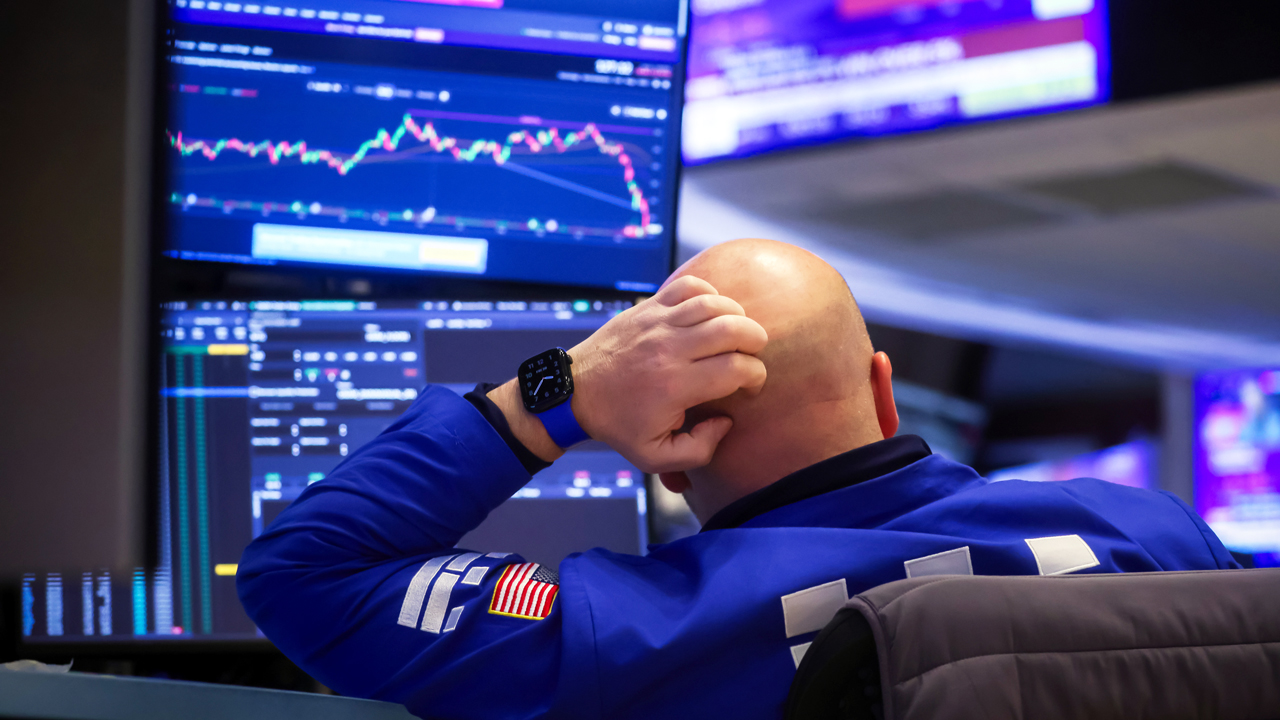 Stocks swing wildly as AI selloff deepens, then eases before Thanksgiving
 Trump administration proposes new tariffs on 14 trading partners, including China and the EU