Trump defends Jensen Huang after Nvidia board reinstates him as CEO
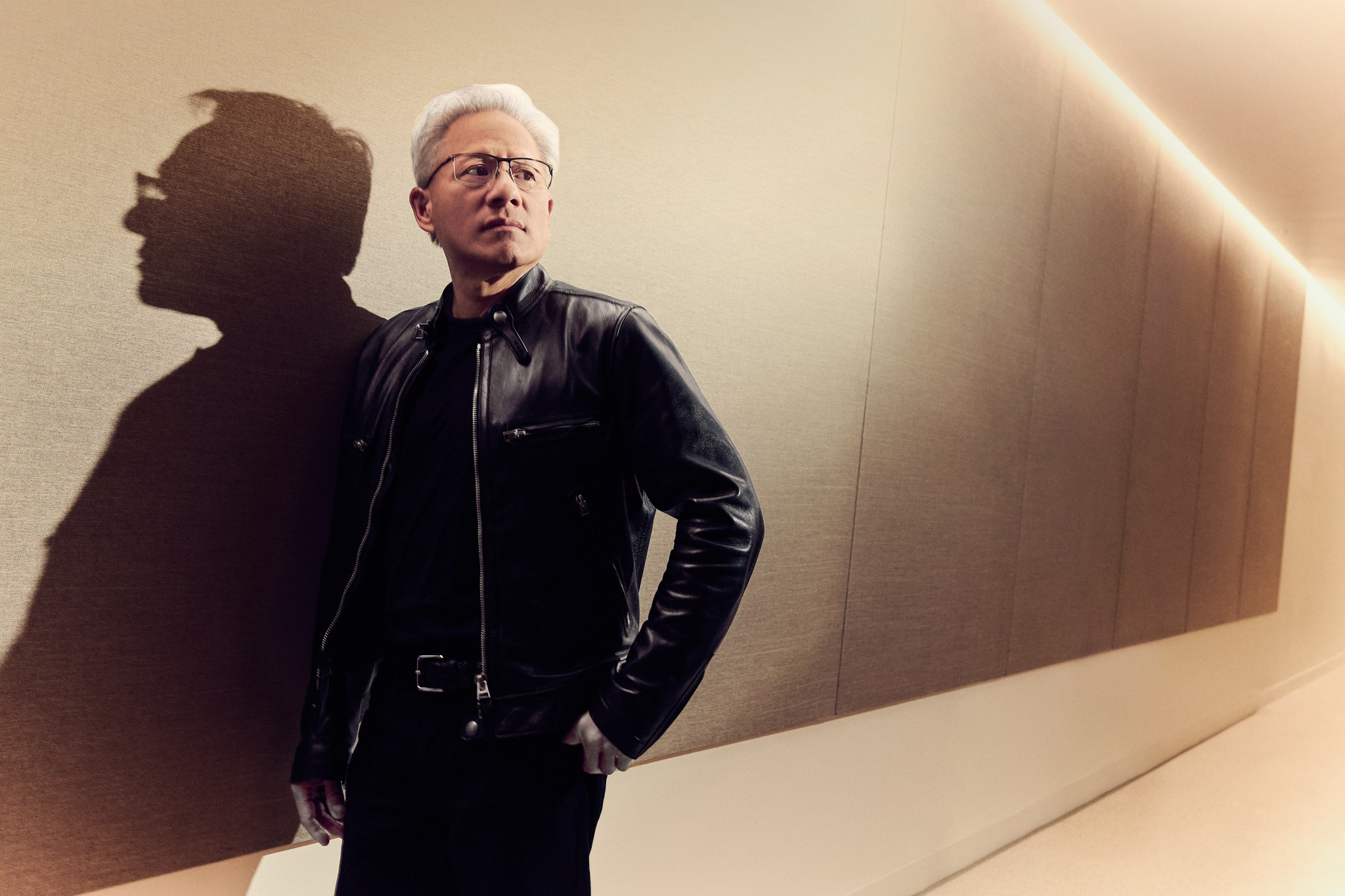
President Trump said he is confident reinstated Nvidia chief Jensen Huang poses no national security threat, as the board's own review of Huang's conduct continues.
The full story
Here is the full story. President Donald Trump on Thursday stood by Jensen Huang, the Nvidia co-founder who was reinstated as the chipmaker's chief executive earlier in the week. Speaking to reporters after a Thanksgiving event at Mar-a-Lago, Trump was asked how he could be certain Huang did not pose a national security risk. "Based on information and belief, I think he's absolutely fine," he said. Pressed on what information he meant, Trump answered, "The information I have, which is a lot of information."
Trump said he had not spoken with Huang since the reinstatement but expected to soon. He recalled an earlier conversation in which, he said, Huang was eager to return. "He calls it his second term," Trump said, adding that Huang would do "a better job in the second time than even in the first." Trump said Nvidia's Blackwell chip would soon be outdated and that coming chips would go beyond it. He also credited himself for Huang's return: "I think I did a great thing for our country and even for the world." Earlier in the week he told CNBC that his administration had assured Nvidia that Huang was not a threat, saying "it's a threat to lose him." On Truth Social he called the reinstatement "the correct and proper decision."
The reversal came quickly. On November 12, Nvidia said its board had accepted Huang's resignation following reports about his private life and a foreign intelligence operation aimed at him. Chief financial officer Colette Kress became interim CEO, and the board said it would look at candidates from inside and outside the company. Five days later, on the company's earnings call, board chair Harvey Jones told analysts the board did "not intend to reinstate Jensen."
Huang has publicly admitted being unfaithful to his wife and has apologized repeatedly to his family, the board and employees. Fox Business reported that the reports this month also concerned Huang's relationship with Alice Huang, a Chinese executive at the Singapore-based chip buyer Megaspeed, whom U.S. intelligence officials reportedly suspected of acting as a Chinese intelligence asset. Fox Business also reported that the Trump administration has added Megaspeed to the Commerce Department's trade blacklist. Trump praised Huang's wife on Thursday, saying, "She's been through a lot."
Meanwhile, the board's search for a replacement ran short of options. The Financial Times reported that directors had approached Rene Haas, the Arm chief executive who previously spent seven years at Nvidia. On November 23, Haas extended his contract at Arm through 2033. The same day, Nvidia's board voted unanimously to reinstate Huang as president, chief executive and director, effective immediately. The company said meetings with Huang had left directors satisfied with his candor and ability to lead, and that, after input from senior levels of the U.S. government, it was confident his return carried no national security risk. Within days of his resignation, prominent shareholders had urged the board to leave the door open to him. The shares rose about 30% on the news of his return.
An independent board committee is still reviewing Huang's conduct. The board has also set up a national security committee and is hiring a chief compliance officer. Huang has led Nvidia since he co-founded it in 1993.
Reported by
Get this email every day
Want the day's top story in your inbox each morning? Sign up below to get this email every day.
Other news / Full articles
 JPMorgan Chase launches two-week mortgage rate sale
 Trump calls for investigation after third-quarter GDP growth is revised up to 4.3%
 Shoppers turn to AI tools for Black Friday as fake stores and buying errors pose risks
 US proposes new tariffs on 14 trading partners, drawing protests from China, Brazil and others
 U.S. third-quarter growth revised up to 4.3%, fastest pace in three years
 Fed's preferred inflation gauge rises to 3.8% in October