The Public Utilities Commission (PUC) published a News Release last Friday reminding that tomorrow is the first of three informational sessions regarding their “investigation into the affordability of rate-regulated electric and natural gas utility service in Minnesota.” Highlights from the PUC’s News Release follow next, along with some comments and five charts by me.
Customers view affordability
The first session, “How Customers View Affordability,” is Tuesday, October 13. The sessions are facilitated by the Regulatory Assistance Project (RAP). The first session will feature two panels representing a range of perspectives on electricity and natural gas affordability. Panelists include representatives from the National Consumer Law Center; the Minnesota Farmers Union; the Minneapolis Downtown Council; Citizens Utility Board Minnesota; the Minnesota Attorney General’s Office; the Minnesota Large Industrial Group; LIUNA Minnesota & North Dakota; Vote Solar and CenterPoint Energy.
I requested, on behalf of the Center of the American Experiment (CAE), to speak-up for the forgotten customers and stakeholders, but have not yet heard back from the PUC. Unlike the system-insiders on the two panels, CAE are system-outsiders who: push-back on the climate change fanatics, urban elites, crony capitalists and deep state; whilst fighting for families, workers, entrepreneurs and free markets.
The goal is to better understand the challenges customers face and identify practical ways to improve affordability while maintaining safe, reliable and increasingly clean utility service and supporting Minnesota’s economic vitality.
If “clean” means mandated wind and solar electricity, along with banning natural gas in favor of heat pumps and green gas, then there are no “practical ways to improve affordability” and reliability as well as “supporting Minnesota’s economic vitality.” If “clean” means nuclear power and “increasingly clean” allows for natural gas to continue, then that is “practical,” “safe,” “reliable” and will also “improve affordability.”
The panels will explore how utility costs affect people, businesses, agricultural and industrial customers; how affordability should be defined and measured; what is driving changes in utility costs; and where existing tools and approaches may fall short.
I have been regularly writing about MN electricity and natural gas affordability since June. Such affordability should be primarily defined by the prices, uses and bills of residential, commercial and industrial end-users. However, reliability, revenues and returns (especially the capital base) should also be examined. Seven of my most important website articles on energy affordability are:
Public input critical
The informational sessions are one part of the Commission’s broader effort to hear from Minnesotans. Public comments are being accepted through October 16, 2026, and are a critical part of the investigation.
The PUC first announced this investigation in a News Release on September 25. That included mention of “opportunities for written public comment” but with no start nor end dates. The October 9 News Release now has an end date for comments of October 16. That is just seven days, and is certainly not in keeping with the PUC stating “Public input is critical.” This should be extended until at least October 30.
The Commission wants to hear how rate-regulated electric and natural gas costs affect people and businesses, how Minnesotans define affordability and what changes they believe could make a difference.
Five of my best charts on energy affordability are displayed at the end of this article:
- Chart 1: Minnesota electricity prices are more unaffordable than the Midwest and US;
- Chart 2: Minnesota electricity prices are very unaffordable compared to natural gas;
- Chart 3: Minnesota electricity use is declining due to unaffordability not efficiency;
- Chart 4: Minnesota electricity is unaffordable due to renewables and natural gas;
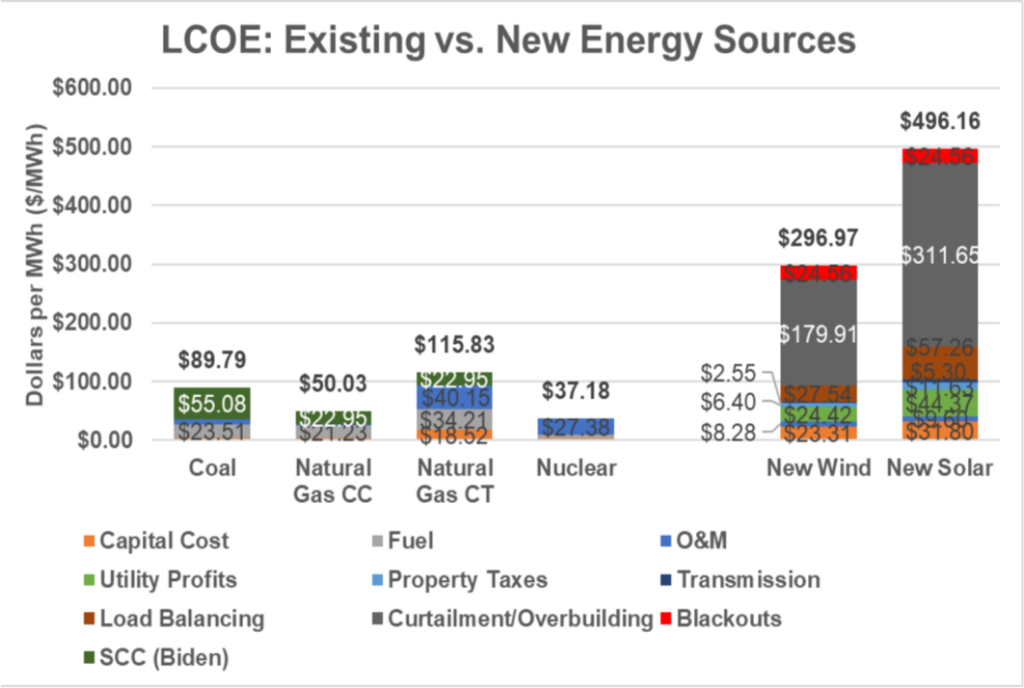
- Chart 5: Minnesota solar and wind renewables cause energy unaffordability.
The Commission will use the sessions, public comments and other stakeholder input to develop a report with practical recommendations. Those recommendations could identify actions for utilities, the Commission, the Governor, Legislature or federal government to improve affordability.
My “practical recommendations” and “actions for utilities, the Commission, the Governor, [and] Legislature” include:
- lift the moratorium on nuclear power;
- impose a moratorium on coal retirement;
- impose a moratorium on renewables;
- reform the PUC including incentive regulation;
- reform franchise monopolies to allow competition.
Informational session details
What: How Customers View Affordability
When: Tuesday, October 13, 2026, 9:30 a.m.–12:30 p.m.
Where: Minnesota Public Utilities Commission, 121 7th Place E., Suite 350, St. Paul (Small hearing room)
Livestream: The session will be livestreamed for those who cannot attend in person. Due to limited space at the Commission, members of the public are encouraged to participate by livestream when possible. Livestream link: PUC calendar.
Energy affordability charts
Chart 1: Minnesota electricity prices are more unaffordable than the Midwest and US
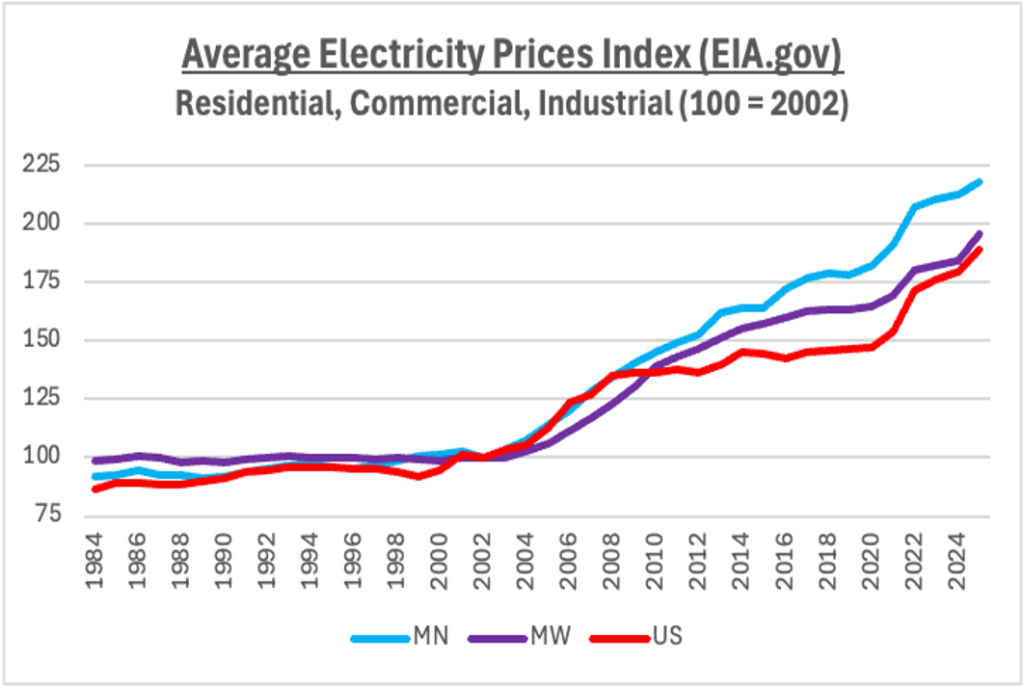
Chart 2: Minnesota electricity prices are very unaffordable compared to natural gas
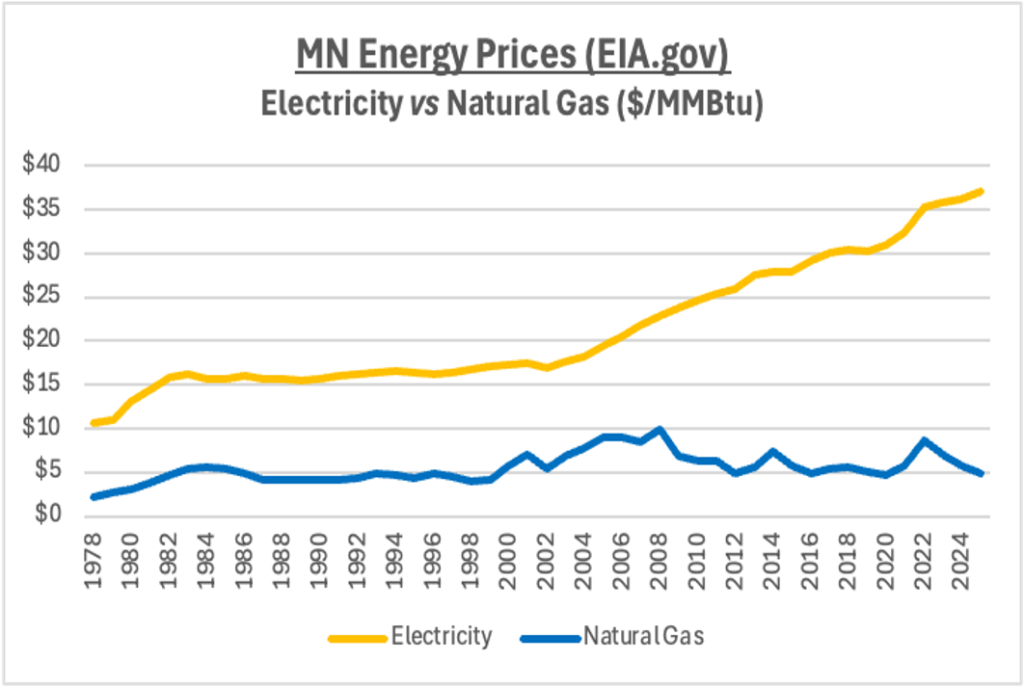
Chart 3: Minnesota electricity use is declining due to unaffordability not efficiency
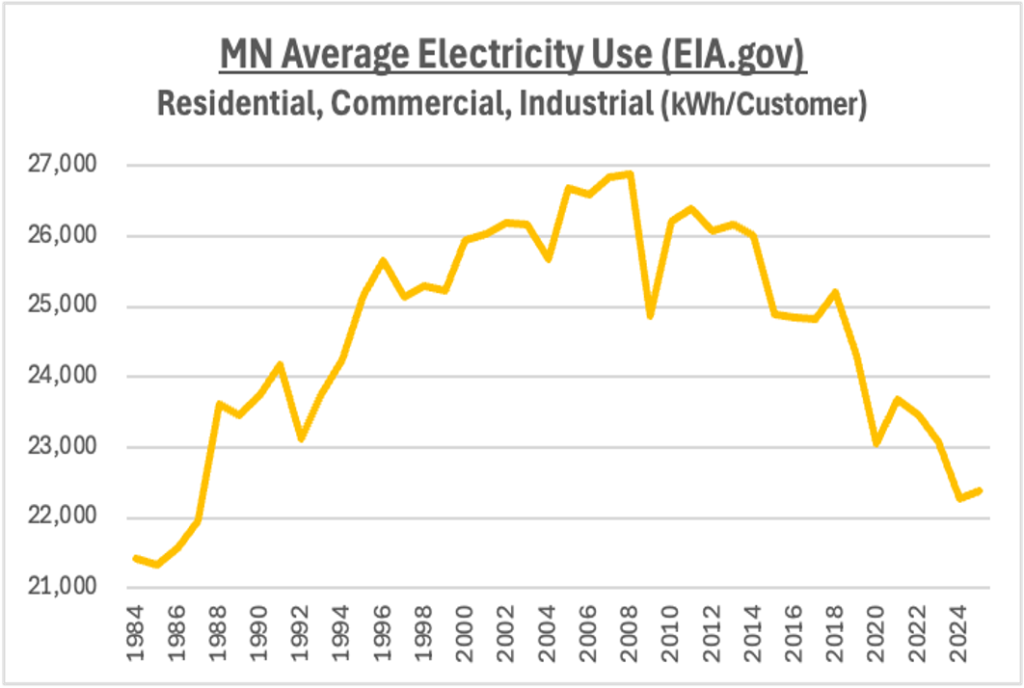
Chart 4: Minnesota electricity is unaffordable due to renewables and natural gas
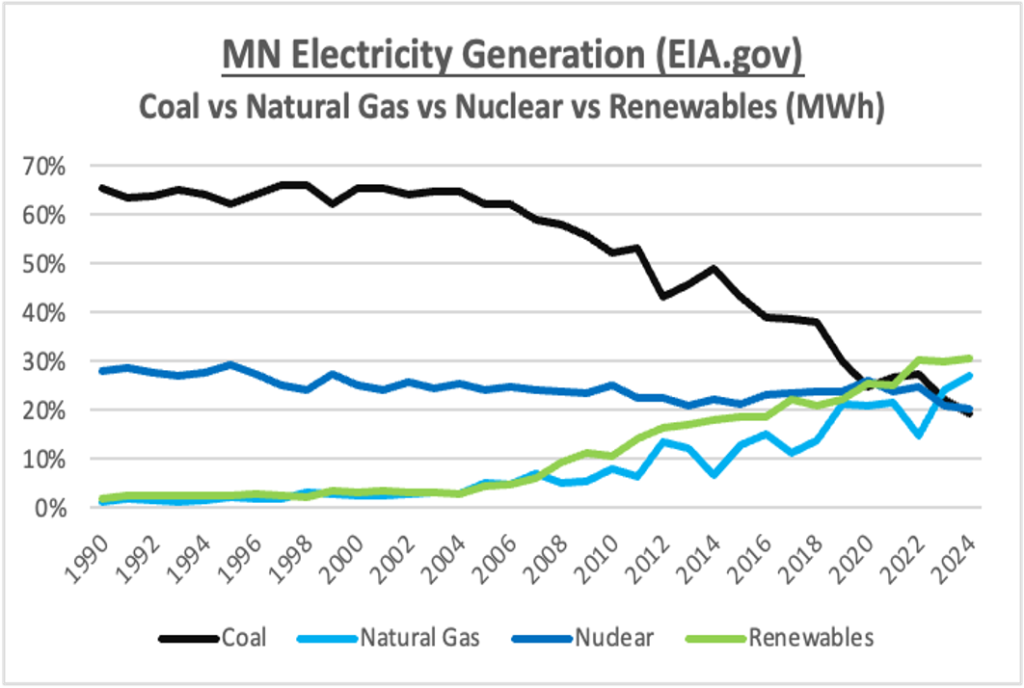
Chart 5: Minnesota solar and wind renewables cause energy unaffordability