There is a particular unease that sets in when someone with government authority walks into your business and begins issuing demands. Most people are not constitutional lawyers. They do not know, in the moment, where inspection authority ends and intimidation begins. They want to work and make ends meet, not gamble their livelihood on an impromptu legal confrontation with a federal official who appears to hold all the cards.
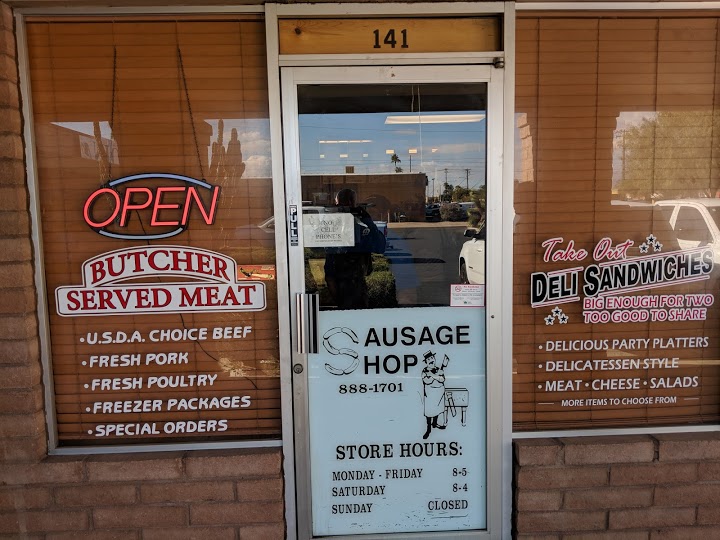
That is the kind of pressure Kent Koechler faced. He owns the Sausage Shop Meat Market and Deli, a business in Tucson he has operated for more than 43 years. It is the sort of local establishment that advertises with obvious pride: “Step back into time and experience the way a Meat Market and Deli is meant to be. We create our own Sausage, Smoke Meats on site, Aged Steaks cut to order and a wide variety of Cold Cuts. Plus the Biggest and Best selection of Deli served Sandwiches.” But that ordinary fact made what happened next more revealing. Kent was not accused of fraud, misconduct, or any violation of law. He was simply enrolled in a federal program, and in March that was enough to bring an unannounced government inspector to his door.
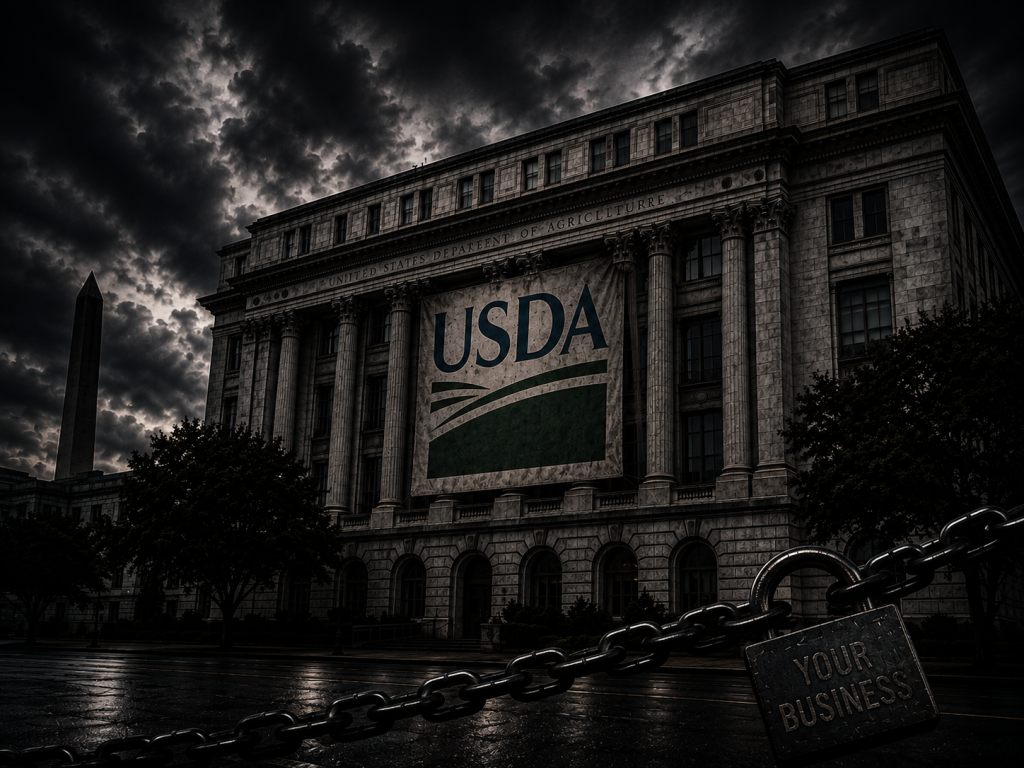
Kent had never been inspected before, despite participating in the program for several years. The inspector was contracted by the U.S. Department of Agriculture’s Food and Nutrition Service (FNS) and said the purpose of his visit was to determine the store’s “eligibility or continued eligibility to participate in the Supplemental Nutrition Assistance Program (SNAP).” Kent’s wife had recently completed the program’s annual online paperwork, putting routine compliance information already on file with the agency. The inspector identified himself with a form letter stating the visit was a routine requirement, and presented Kent with a Store Review Consent form he would need to sign to continue the review.
What made the visit particularly striking was that the Sausage Shop, at most, serves one SNAP customer per year.
The inspector told Kent he would need to sign the consent form to proceed, and that without his signature, the inspector could not explain what the review would involve. When Kent asked to speak with a supervisor, he received a disconnected number. After being pressed further, the inspector produced a second number, but that call went unanswered. Kent had no way to verify who the inspector was, who had sent him, or whether any of it was legitimate.
After Kent refused to sign, the inspector grew agitated and confirmed he could neither proceed nor provide any further documentation without the signature. Then he left without explanation.
That is where the Goldwater Institute came in. After completing a public records request on behalf of Kent and his business, Goldwater verified that the inspection program is real and that the USDA has contracted the process out to a third party. What the request revealed was striking: FNS receives $36 million over four years to implement the program, funding roughly 38,000 inspections across the country. Every inspection is unannounced. Each one is budgeted at approximately one hour.
This is how administrative overreach typically works. It does not always arrive as a raid or a lawsuit. It arrives through routine inspections, delegated contractors, vague consent forms, and program rules that leave small businesses with little practical choice. The government does not need to threaten jail when it can jeopardize eligibility, licensing, benefits, or continued participation in a federal program.
Common sense says the USDA should be able to confirm that SNAP retailers meet SNAP requirements. But it also says that a federal inspection program should be clear, limited, verifiable, and respectful of the rights of the people it regulates. Business owners should know who is inspecting them, what legal authority the inspector claims, what information will be collected, what happens if they decline, and how they can verify the process before signing anything.
If an agency wants consent, that consent should be informed. If an inspection is mandatory, the government should say so plainly and identify the source of its authority. And if the inspection is limited to program eligibility, the government should not use that purpose as a blank check to map, photograph, and catalog more than is necessary.
Government governs best when it governs within clear limits. That standard applies to the USDA too.