Minnesota’s schools are required to teach about CPR, STDs, mental health, and, beginning this fall…cannabis.
Minnesota legalized cannabis in 2023 and sales began in 2025, leading the legislature to enact a requirement that middle and high schoolers learn about the dangers of cannabis use during their health education. The new cannabis education course will inform students, whose parents and friends now have easy access to the drug, about the possible effects on brain development and overall health.
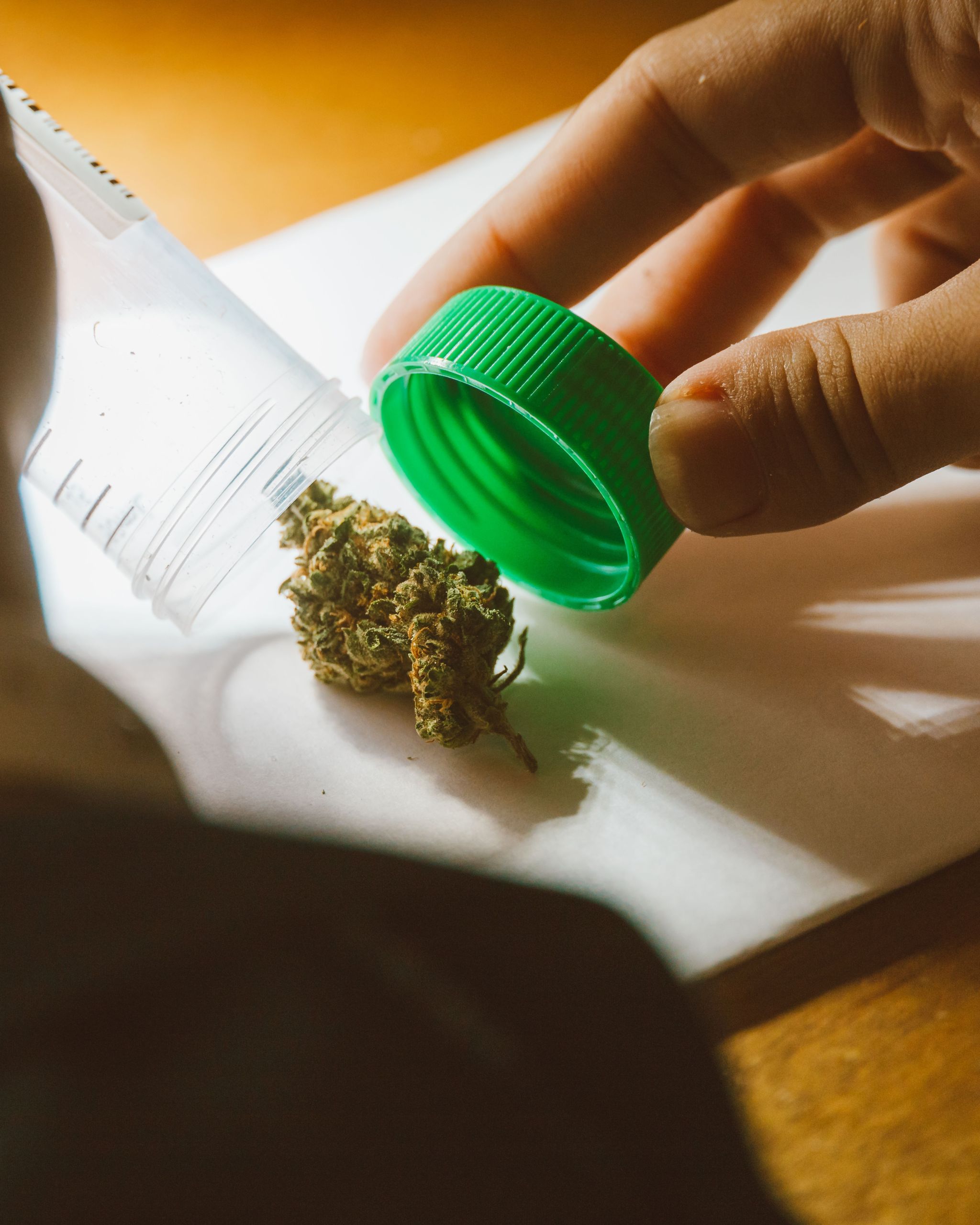
Cannabis use includes “traditional” marijuana blunts and vape pens, THC gummies, edibles, drinks, and other forms of consumption.
The Minnesota Prevention Alliance (MPA), a newly formed nonprofit that promotes drug abstinence education, won a Minnesota contract to develop a state-approved guidebook. The guidebook promotes a science-based approach to cannabis education. From KSTP:
Ken Winters, a former University of Minnesota psychiatry professor and a research advisor for the foundation, said the guidebook was created because many schools are not teaching drug prevention in a way that meets the new standards.
“We realize a lot of schools maybe did drug prevention at a general level, but they weren’t focusing enough on specific cannabis topics that the state said are going to be needed in part of any prevention education…With the cannabis topic, they’re going to be learning about THC, the main intoxicant in the plant, and its impact on brain development, learning, and mental health,” Winters said. “And then they’re going to also be learning how do you adjust to the new environment in Minnesota, since it’s legal for adults, and it’s also medicalized.”
The guidebook highlights three curricula choices that adhere most closely to MDE’s curricula requirements. Those three programs are Stanford Medicine’s Smart Talk, the National Institute on Drug Abuse’s Cannabis: The Facts You Need to Know, and Marijuana Prevention Plus’ Marijuana Prevention Plus Wellness. It also includes supplemental curriculum pieces, several of which prompt students to discuss the harms of cannabis use with their peers and parents.
The abstinence-only approach that these materials take will likely confuse students whose parents and 18+ peers are now consuming cannabis products legally. American Experiment Policy Fellow David Zimmer argued that the well-intended cannabis education mandate is a paltry harm mitigation tactic, saying,
I find it unfortunate that on one hand the state created an atmosphere of permissiveness with its 2023 “adult recreational cannabis” legislation, and on the other hand has to create curriculum to counter the impact of that very permissiveness. Given that decades of Drug Abuse Resistance Education (D.A.R.E.) have done little to dissuade teens from drug use, I don’t think we should expect much success from this new curriculum either. The whole scene has a “do as I say, not as I do” feel to it – and we know how well that goes over with teens.
While it is certainly true that adolescent cannabis use has incredibly detrimental consequences for overall brain health, physical wellness, and emotional well-being, it remains to be seen if the new health class can successfully encourage students to choose abstinence.
Whether or not Minnesota’s experiment in legalization proves foolhardy, cannabis consumption is a significant part of national pop culture, and temptation will always be just a few clicks away. With some level of exposure always present, students should be well-informed about the risks they take when consuming these products.
The MPA guidebook encourages teachers to modify the cannabis education program to successfully connect with different types of communities. Hopefully, relationship and community awareness will create norms that encourage these middle and high schoolers to pursue a sober-minded adolescence.