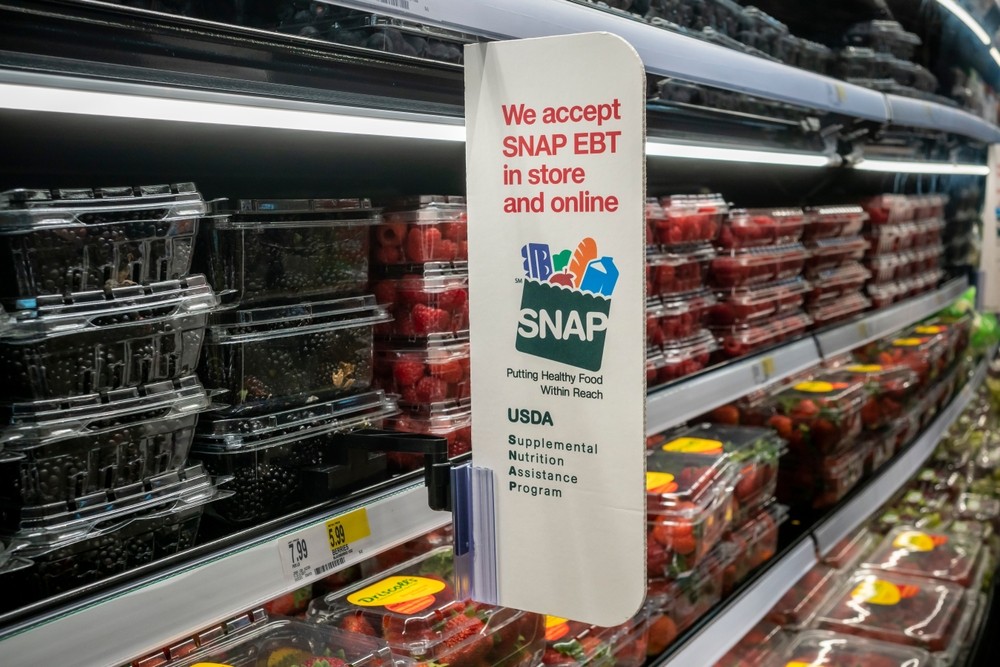
If you applied for a mortgage, you wouldn’t be surprised if the bank asked how much money you made or had in your bank account. You also wouldn’t be surprised if the bank asked you to prove what you said was true with a paystub or bank statement. Though it may sound surprising, Missouri has largely taken people at their word when they report similar information to receive benefits from the Supplemental Nutrition Assistance Program (SNAP).
Starting October 1, that will no longer be the case. The Missouri Department of Social Services (DSS), which administers SNAP, recently announced that applicants will need to provide documentation of certain expenses and financial resources when applying for or renewing benefits. Until now, recipients have generally been allowed to self-attest to shelter costs, dependent-care expenses, and countable resources such as money in a bank account.
These details are important because they can affect both whether someone is eligible and how much assistance they receive. SNAP benefits are based on a household’s financial circumstances, but expenses such as rent and childcare can be deducted from income when calculating benefits, while financial resources can affect whether someone is eligible for benefits at all. Reporting higher expenses or fewer available resources could therefore significantly affect the benefits a household receives. Under the new rules, Missourians will need to provide supporting documents such as bank statements or childcare receipts for these details.
Requiring basic documentation for information that directly affects someone’s benefits may seem like an obvious safeguard that Missouri would have had in place for years. Unfortunately, that hasn’t been the case. For a program serving more than 600,000 Missourians and distributing more than $1 billion in benefits each year, it should be obvious that getting the right amount of money to the right people is too important to simply take someone’s word for it.
For Missouri, getting those calculations right is quickly becoming more important. As I’ve written previously, the One Big Beautiful Bill Act (OBBB) will soon require states with payment error rates above 6% to pay a portion of SNAP benefit costs, which have historically been entirely federally funded.
According to the most recent data from the U.S. Department of Agriculture, Missouri’s payment error rate for 2025 was 8.67%. That doesn’t mean 8.67% of benefits were lost to waste or fraud, but it does mean that for every dollar of SNAP benefits issued, more than 8 cents were paid incorrectly relative to what recipients were eligible to receive.
Missouri has one more year to improve its error rate before the new cost-sharing requirements take effect. For the first year, states can use either their 2025 or 2026 error rate to determine their share. If Missouri’s current 8.67% rate were used, the state would be responsible for 10% of SNAP benefit costs, or an estimated $150 million per year. Reducing those errors will require more than asking for a few additional documents, but better verification is an obvious place to start.
It shouldn’t be controversial to ask someone to provide proof of information that determines how much taxpayer-funded assistance they can receive, especially when there are hundreds of millions of dollars on the line. The surprising part of Missouri’s new verification requirements isn’t that they begin next month. It’s that the state hasn’t been requiring this documentation all along.
rblfmr / Shutterstock