String of US tech outages disrupts flights, banks and apps; officials see no attack
Outages at Microsoft, the FAA, United Airlines, JPMorgan Chase, Apple and Charles Schwab hit Americans within days, and officials say there is no sign of a cyberattack.
The full story
Here is the full story. A cluster of major technology outages across the United States has disrupted air travel, banking, workplace email and consumer apps in the space of about five days. Government officials and the companies involved say they have found no sign of a cyberattack and no evidence that the failures are connected, pointing instead to software bugs, system updates and aging equipment.
The problems started Thursday, when more than a dozen Microsoft cloud services went down, including Outlook email, Teams messaging and Copilot, part of the company's Microsoft 365 suite. Businesses and schools around the country were left unable to send or receive email. Microsoft said services were stabilizing by late Friday morning and described the cause as "technical" and "not related to cyber or AI / agents." The company cited a bug that was months old, combined with rising traffic and reduced server capacity, which overwhelmed servers as they tried to recover.
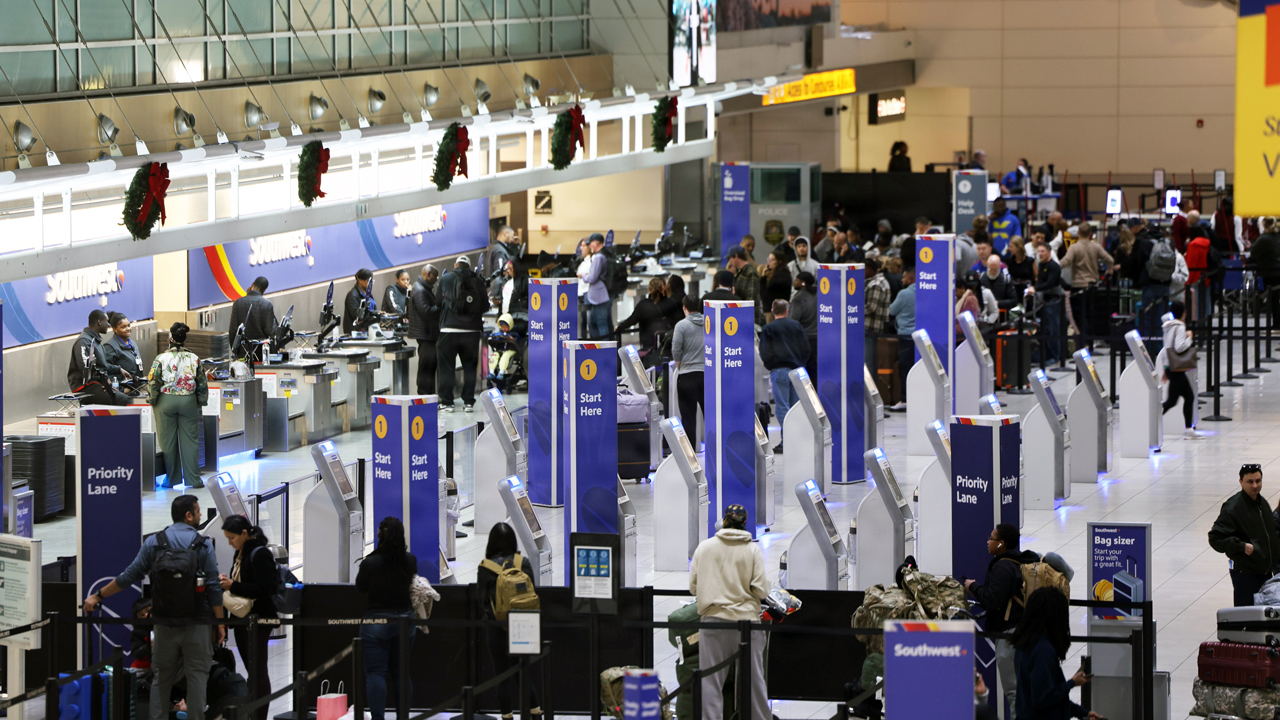
On Friday, the Federal Aviation Administration ordered a nationwide ground stop, citing trouble with its air traffic control systems. Flights stayed on the ground for more than four hours, leading to thousands of delays and cancellations over Friday and Saturday and stranding travelers. It was the longest nationwide ground stop since 9/11. The FAA said a router had overloaded older air traffic control equipment with data, and it paused router installations nationwide afterward. Transportation Secretary Sean Duffy and Homeland Security Secretary Markwayne Mullin blamed aging air traffic control infrastructure. The disruption came shortly before the Thanksgiving travel period.
Monday brought two more outages. JPMorgan Chase said a "software bug in on-premise hardware systems" caused service problems, as customers reported trouble viewing account information and delayed transactions, including payments involving other banks. Customers of Bank of America, Wells Fargo and US Bank also reported issues, and US Bank said customers using Chase's Zelle may have been affected. "There is no evidence this is cyber-related," Chase said. The same day, United Airlines said it had fixed a "technology issue" that delayed departing flights; flights already in the air and United Express flights were not affected. Flight tracker FlightAware counted 945 delayed United flights on Monday. On Tuesday, some Charles Schwab users could not reach its website, which the brokerage called a brief page loading issue that was resolved. Apple said an "internal update" knocked out some services, including Apple Pay and iCloud, and said the incident was not a cyberattack.
Senior officials sought to calm concerns. Secretary of State Marco Rubio said Tuesday there was "zero evidence whatsoever" that the incidents were related to one another or caused by hackers, criminal groups or foreign governments. Director of National Intelligence Jay Clayton said there were no signs of a coordinated cyberattack and pointed to security patches and system upgrades as possible explanations. "I can tell you with complete certainty that we are not under attack," Mullin said in a CNBC interview. On Monday, Mullin had suggested that AI systems able to write and change code could be contributing to the outages. Sen. Mark Warner, the top Democrat on the Senate Intelligence Committee, said the evidence pointed to "legitimate efforts to secure our systems, not malicious activity," adding that AI is helping find vulnerabilities faster and creating pressure to fix them right away, which he said strains systems not built for that pace. He called the disruptions "a wake-up call."
President Donald Trump, speaking to reporters during a trip to the Philippines, dismissed the concerns. "It's life, it's life," he said, adding that when "you're big and powerful and you have all the money, things like that happen." Asked about Thanksgiving travel, he said he was worried "not at all" and that "People are safe." He said he had spoken with banks about the Chase outage and was told "It's going to be very much under control," without giving details. A day earlier, he said, "I don't take any responsibility." Duffy said on NBC's "Meet the Press" that he "can't apologize for what was passed off to us."
Outside experts offered different readings. Ram Dantu, founding director of the University of North Texas' Center for Cyber and AI Security, said the failures could stem from network congestion or software problems, but that "Nobody can guarantee this is not a cyberattack." He said the outages could show adversaries where U.S. systems are weak and called daytime system upgrades unusual. Others said the failures appear unrelated. Liz Fong-Jones of Honeycomb described them as cascading failures, a long-known problem, and said they had little in common. David Woods, a professor emeritus at Ohio State University, said complex systems are being pushed to run faster and cheaper while tests and safeguards are cut. Downdetector received nearly 6 million U.S. problem reports in the seven days ending Nov. 16, its highest weekly total in a year, though the past 30 days saw three major outages compared with a typical five, according to Ookla analyst Luke Kehoe.
Reported by
- Fox Business: Cybersecurity expert sounds alarm over US infrastructure vulnerabilities amid widespread outages
- Axios: Why the internet suddenly broke all at once
- Business Insider: A string of tech outages disrupted flights, banking, and major apps. Here's what officials have said about the causes.
- NBC News: Trump brushes aside outage concerns
Get this email every day
Sign up below to get this news email in your inbox every day.
Other news / Full articles
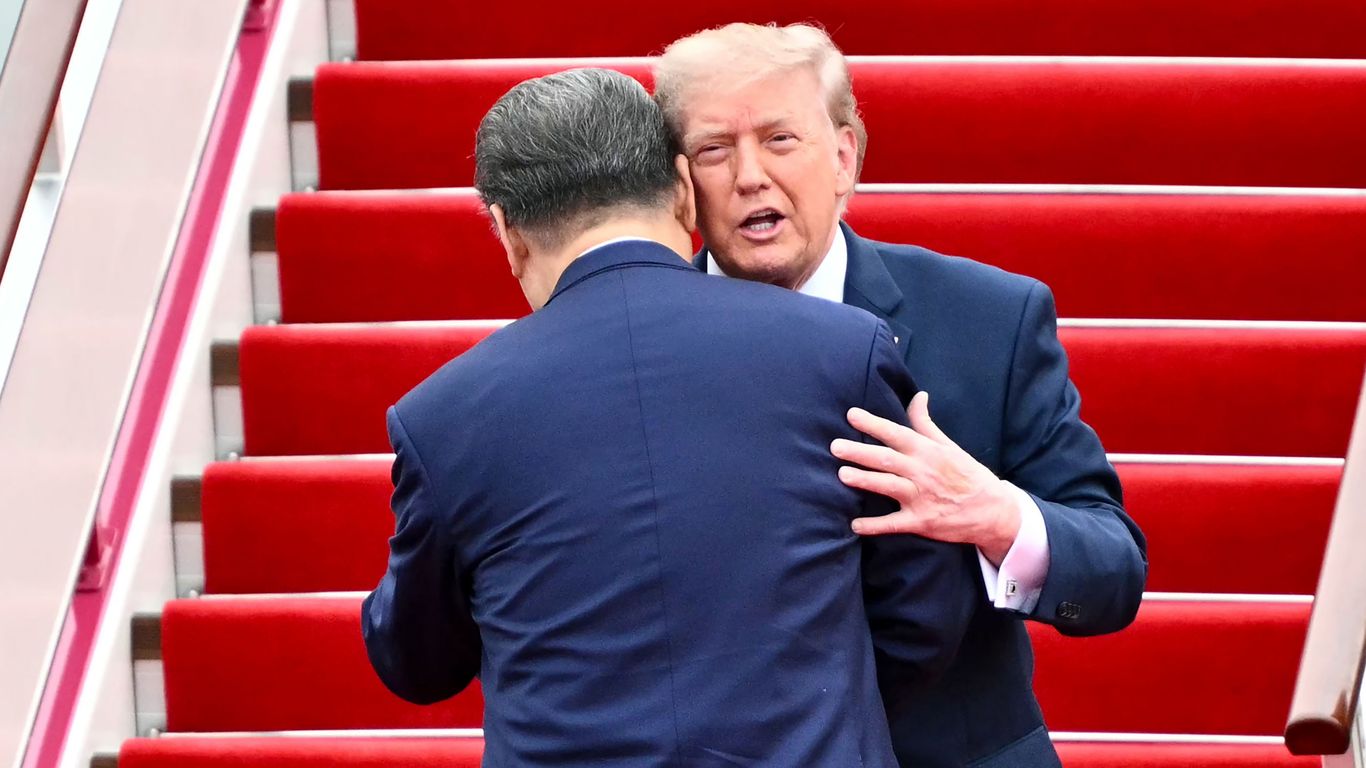 Xi greets Trump on Shenzhen tarmac ahead of three-way summit with Putin
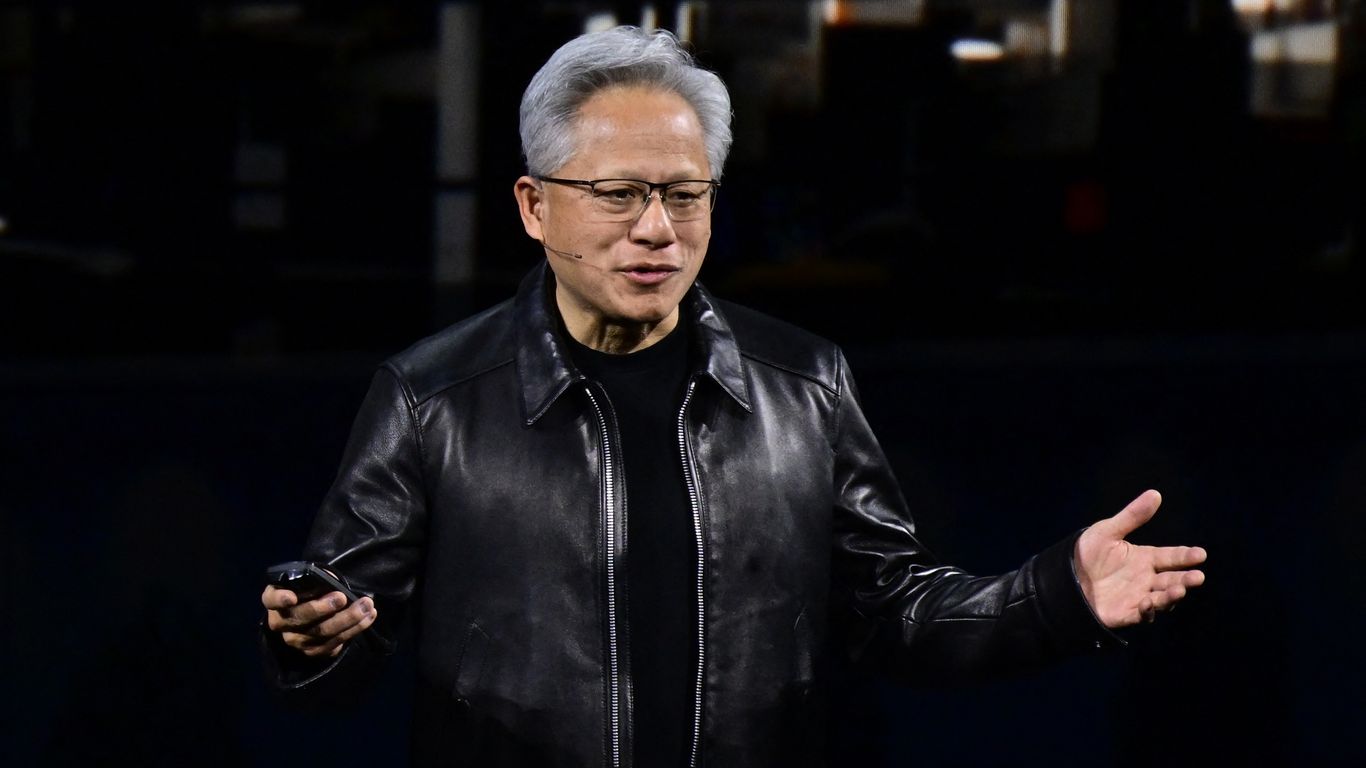 Jensen Huang says he would be honored to return as Nvidia CEO
 Anthropic prepares IPO
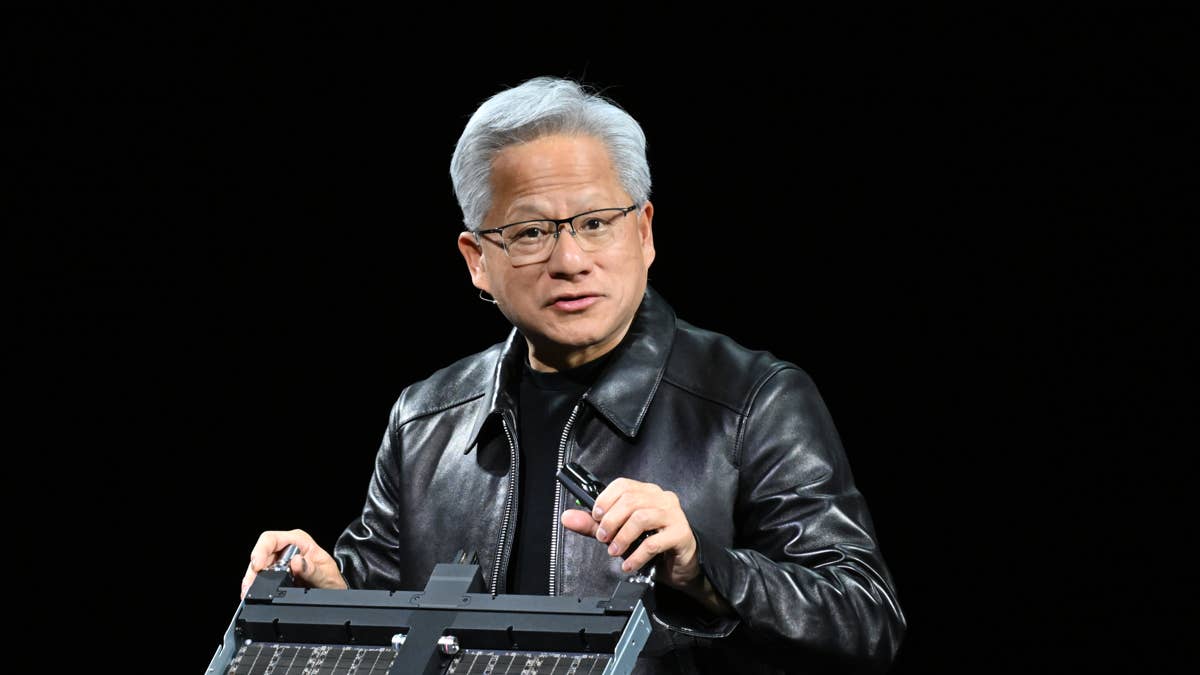 Nvidia leads tech stock slide as investors weigh Jensen Huang's exit
 Commerce Department rule restricts remote access to advanced U.S. AI chips
 California sues OpenAI over AI safety failures tied to Hugging Face attack